Brake pads rarely wear unevenly without a mechanical reason. One inner pad may look thin, while the outer pad still shows several millimeters of friction material. That pattern is not merely cosmetic. It can indicate a sticking caliper piston, seized guide pins, restricted hydraulic flow, or incorrect pad movement.
So, what causes uneven brake pad wear? The answer often begins with inspection, not replacement. The Commercial Vehicle Safety Alliance’s 2023 International Roadcheck identified brake-system violations among the most common vehicle out-of-service conditions. Its findings show how frequently brake components affect vehicle safety during professional inspections. However, that report does not measure passenger-car pad wear directly. This limitation matters.
Technical guidance from organizations such as ASE, NHTSA, and major brake manufacturers consistently emphasizes caliper operation, rotor condition, friction-material compatibility, and correct installation. A dry guide pin can hold one pad against a rotor. You may hear a faint scrape after parking, or smell a hot, metallic odor after a short drive. Those clues deserve attention.
Uneven wear can also develop after a rushed repair. A pad clip may sit incorrectly. A brake hose may deteriorate internally. Wheel alignment can add stress, although it is not always the primary cause. I have seen owners replace pads twice while ignoring a seized slider. That approach feels economical, but it wastes parts and delays the real diagnosis.
This guide examines seven practical causes, supported by workshop inspection methods and industry safety guidance. It also explains what technicians should measure, compare, and photograph before fitting new pads. A careful diagnosis is slower. It is usually cheaper.
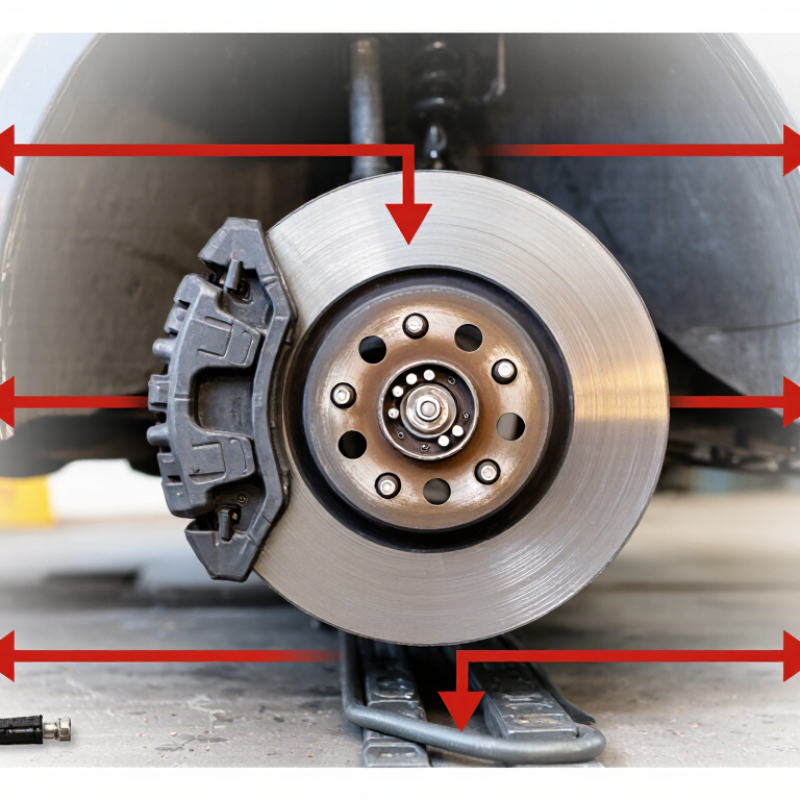
Uneven brake pad wear means the inner and outer pads are wearing at different speeds. It often points to restricted movement, not simply poor pad quality. Tip 1: Compare both pads on each wheel. A thin inner pad may indicate a sticking caliper piston. A thinner outer pad can suggest guide pins that cannot slide freely. Tip 2: Look for rusty pins, hardened grease, or damaged rubber boots. Small faults can create noticeable drag.
Tip 3: Check whether the caliper bracket is clean and correctly aligned. Rust under a pad clip can hold the pad tightly against the rotor. Tip 4: Inspect the rotor surface for blue spots, deep grooves, or uneven thickness. These marks may show heat buildup or poor contact. Tip 5: Test the brake hose when symptoms remain unclear. Internal hose damage can trap pressure, although this cause is sometimes overlooked. The wheel may feel unusually hot after a short drive.
Tip 6: Do not judge wear from one wheel alone. Compare axle pairs and review the vehicle’s service history. Tip 7: Measure pad thickness with a tool, rather than guessing by sight. I have seen experienced people miss a seized slide pin during a quick inspection. That mistake deserves reflection. Uneven wear can also come from suspension movement, incorrect fitting, or a caliper that is not square. Any inspection should include a road test, temperature comparison, and careful checking of braking pull or vibration.Winvalid
| Tip | Main Cause | Typical Wear Pattern | What to Inspect | Recommended Action | Potential Risk if Ignored |
|---|---|---|---|---|---|
| 1 | Sticking or seized brake caliper piston | The inner or outer pad is significantly thinner than its opposite pad on the same wheel. | Piston movement, piston boot condition, corrosion, and whether the pad remains in contact after the brake pedal is released. | Repair or replace the affected caliper as required, then install pads in axle sets and inspect the rotor. | Brake drag, overheating, reduced fuel economy, and possible loss of braking performance. |
| 2 | Restricted or corroded caliper slide pins | One pad wears more quickly because the floating caliper cannot move freely across the rotor. | Slide-pin movement, lubrication, rubber boots, rust, and correct pin installation. | Clean and lubricate with suitable brake lubricant or replace damaged pins, boots, or hardware. | Uneven braking force, noise, heat buildup, and accelerated pad and rotor wear. |
| 3 | Blocked, damaged, or internally collapsed flexible brake hose | A caliper may apply slowly or fail to release, causing one pad to remain lightly engaged. | Brake-fluid flow, hose kinks, external damage, swelling, and pressure release behavior. | Replace the hose if restricted or damaged, bleed the system, and check for leaks. | Persistent brake drag, overheating, pulling, and inconsistent pedal feel. |
| 4 | Incorrectly fitted, contaminated, or poorly seated brake pads | Tapered wear, edge wear, or contact marks covering only part of the friction surface. | Pad orientation, backing-plate fit, abutment points, clips, shims, and contamination from grease or fluid. | Correct the installation, replace contaminated or damaged pads, and clean the mounting surfaces. | Reduced friction, squealing, vibration, and rapid or irregular wear. |
| 5 | Rotor runout, uneven thickness, or a damaged rotor surface | Patchy contact, circumferential grooves, tapered pad wear, or repeated vibration during braking. | Rotor thickness, lateral runout, parallelism, scoring, hot spots, and correct wheel-installation torque. | Machine or replace the rotor only when permitted by specifications; otherwise replace it with the pads. | Brake pulsation, noise, reduced contact area, and shortened pad life. |
| 6 | Sticking pad hardware or corroded caliper bracket | The pad wears more at one end, often producing a tapered or angled friction surface. | Pad movement in the bracket, retaining clips, rust buildup, bent hardware, and contact surfaces. | Remove corrosion, replace faulty hardware, and confirm that both pads slide freely without excessive looseness. | Pad binding, uneven braking, brake noise, and damage to the caliper or rotor. |
| 7 | Unequal braking demand, wheel alignment, or suspension problems | One side of the axle wears faster, or wear is accompanied by pulling, tire wear, or vehicle instability. | Brake force balance, wheel alignment, wheel bearings, suspension bushings, and tire condition. | Diagnose the complete axle and suspension system; correct the underlying fault before replacing only the pads. | Longer stopping distances, unpredictable handling, uneven tire wear, and repeated brake problems. |
Inspection note: Compare pad thickness on both sides of the same axle, inspect the caliper and hardware, and replace brake pads as a complete axle set when required by the vehicle manufacturer.
It often indicates restricted caliper movement, not automatically poor pad quality. Small faults matter. The inner and outer pads may wear at different speeds.
A much thinner inner pad may indicate a sticking caliper piston. The piston may not release pressure properly. This can leave the rotor unusually hot after a short drive.
A thinner outer pad can suggest seized or restricted guide pins. Check for rust, hardened grease, and damaged rubber boots. The caliper may struggle to slide evenly.
Common clues include pulling, steering-wheel vibration, squealing, grinding, and different pad thicknesses. One wheel may produce heavier brake dust. Noise alone proves little.
Compare both pads on each wheel and compare matching axle pairs. Use a measuring tool instead of judging by sight. A quick glance can miss a seized slide pin.
Check whether the bracket is clean and correctly aligned. Rust beneath a pad clip can hold the pad against the rotor. That contact creates drag and uneven wear.
Look for blue spots, deep grooves, or uneven rotor thickness. These marks may show heat buildup or poor contact. If symptoms remain unclear, inspect the brake hose for trapped pressure.
Do not replace pads alone without identifying the wear pattern’s cause. Include a road test, temperature comparison, and checks for pulling or vibration. A hot, sharp-smelling wheel needs prompt inspection. Sometimes the first diagnosis is wrong.
Uneven brake pad wear can reduce braking efficiency, create noise, and signal a deeper problem in the braking system. Understanding what causes uneven brake pad wear begins with checking for sticking or seized calipers, worn guide pins, damaged hardware, rotor thickness variations, contamination, and incorrect brake alignment. Drivers may notice one pad becoming much thinner than its partner, the vehicle pulling to one side, vibration, unusual sounds, or excessive heat from a wheel.
Seven practical tips can help address these issues: inspect both pads regularly, clean and lubricate suitable moving components, confirm that calipers move freely, measure rotor condition, replace damaged clips or shims, verify proper wheel and brake alignment, and use correctly fitted replacement parts. Regular maintenance, timely inspections, and careful attention to warning signs can prevent minor wear from becoming a costly safety concern. Addressing the underlying cause rather than replacing only the worn pad helps ensure smoother, more balanced, and more reliable braking performance.

 DC-Link Auto