How to Clean a Dirty Air Filter at Home 7 Tips?

Time:2026-10-02 Author:Isabella
0%

A dirty air filter can make a home feel stuffy, dusty, and less comfortable. It may also force an HVAC system to work harder than necessary. In practice, many people remove the filter, rinse it immediately, and create a bigger problem. Not every filter is washable.

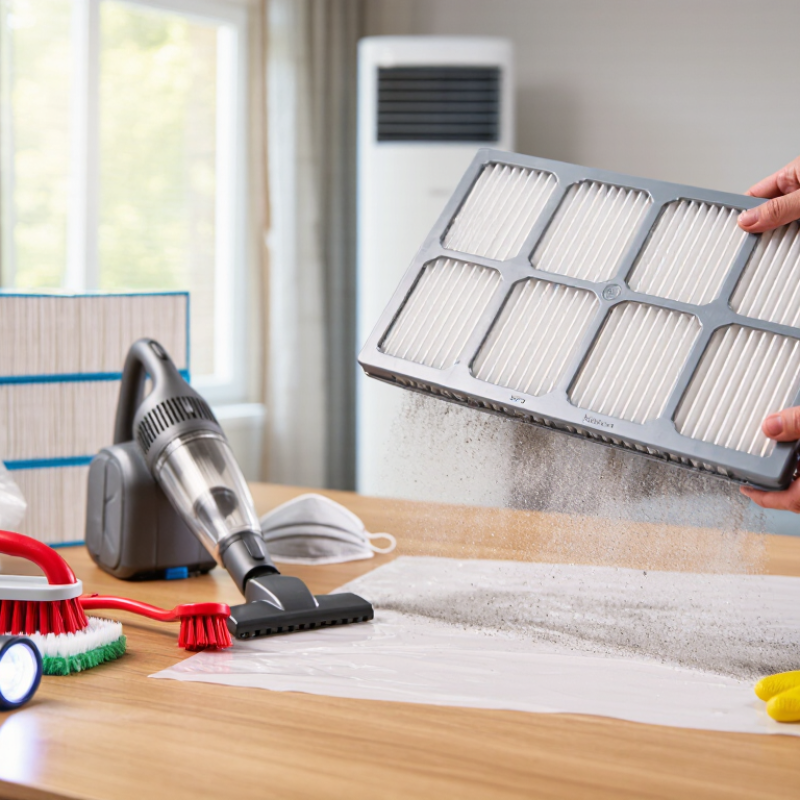
This guide explains how to clean a dirty air filter at home through seven practical tips. You will learn how to identify the filter type, switch off the system safely, and remove trapped dust without spreading it across the room. A flashlight, vacuum cleaner, soft brush, and clean water may help. Keep them ready. Small details matter.

The process should begin with the manufacturer’s instructions, not a guess. Disposable fiberglass and pleated filters usually need replacement, while some reusable filters can be washed and dried. Forcing water into the wrong filter can damage its fibers and reduce airflow. That mistake is easy to make. I have also found that a filter may look clean while holding fine dust between its folds, so a quick visual check is not enough.

You will also see when cleaning is unsafe or ineffective. Filters with mold growth, severe damage, or heavy oil residue may require professional advice or replacement. Wear a mask if dust becomes airborne, and keep children and pets away during the work. These seven tips focus on reliable home care, realistic limitations, and cleaner indoor air. A few minutes of careful maintenance can protect equipment, but it cannot replace regular filter changes.
How to Clean a Dirty Air Filter at Home 7 Tips?

Understanding When an Air Filter Needs Cleaning

How to Clean a Dirty Air Filter at Home: 7 Tips

Understanding When an Air Filter Needs Cleaning

An air filter usually needs attention when airflow feels weaker than normal. Dust may also collect around vents, furniture, or return grilles. A gray surface is a warning, but not every filter should be washed. Check its frame and instructions before using water. Disposable filters can tear, swell, or lose their filtering ability when wet.

Turn off the system before removing the filter. This prevents dust from moving through the ductwork and protects the equipment. Hold the filter toward a bright window. If light barely passes through, replacement may be safer than cleaning. For a reusable filter, gently vacuum both sides outdoors, then rinse it with lukewarm water. Avoid harsh chemicals. Let it dry completely.

Never reinstall a damp filter. Moisture can encourage mold growth inside a dark, enclosed compartment. Check the filter monthly, especially during dusty weather, renovations, or heavy seasonal use. Homes with pets may need more frequent checks.

A filter that looks clean can still be clogged deep inside. That is easy to miss. Keeping notes can help, although rigid schedules are not always accurate. Room dust, system runtime, and filter size change the timing. If breathing irritation, unusual odors, or persistent weak airflow continues, consult a qualified heating and cooling professional rather than guessing.

Preparing Tools and Protecting the Work Area

Before cleaning a dirty air filter, switch off the appliance and disconnect its power if possible. Let moving parts stop completely. Read the filter label or equipment instructions, because some filters are washable while others must remain dry. This small check prevents expensive damage.

Gather a screwdriver, disposable gloves, a dust mask, a soft brush, a vacuum with a brush attachment, mild soap, lukewarm water, and clean towels. Keep a replacement filter nearby, just in case. I once removed a filter without checking its direction, and reinstalling it became unnecessarily confusing. Take a quick photo before removing it.

Protect the work area before disturbing the dust. Place a plastic sheet or old towel beneath the unit, especially over carpet or wooden flooring. Open a nearby window when conditions allow, but avoid creating a strong draft that spreads loose dust. Remove the filter slowly and hold it away from your face. Do not shake it indoors.

Use the vacuum outdoors or beside the open window, and brush gently instead of scraping the filter material. If the filter is washable, rinse it only as directed, then dry it completely on a clean towel. Moisture can encourage odor and microbial growth inside the appliance. Keep screws in a small container. Small parts disappear easily. Inspect the frame, seams, and surrounding vent for cracks or heavy buildup. If the filter is torn, damp, moldy, or badly deformed, cleaning may not restore safe airflow, so replacement is the more reliable choice.

Removing the Filter Safely from the Appliance

Before cleaning a dirty air filter, identify the appliance and read its service instructions. The removal method differs between a central air system, purifier, and portable unit. Turn the appliance off, then unplug it. For permanently wired equipment, switch off the correct circuit breaker. Wait until every fan stops. A moving blower can pull loose dust into the cabinet.

Wear gloves and a well-fitting mask, especially when the filter looks gray or carries a musty smell. Open the access panel slowly. Hold the filter by its frame, not the dusty surface. Note the airflow arrow before removing it; taking a quick phone photo helps. Place the filter directly into a plastic bag. Do not shake it indoors.

The U.S. Environmental Protection Agency reports that indoor pollutant levels can be two to five times higher than outdoor levels, so careless handling can redistribute particles. That step is easy to underestimate.

Check the filter for tears, dampness, or biological growth. Disposable filters should usually be replaced, not washed. Reusable filters need cleaning only when their instructions permit it. ASHRAE Standard 52.2 evaluates filtration performance and pressure effects, reminding users that airflow matters as much as visible dust. A clogged filter may strain the system.

I sometimes rush the panel’s reinstallation, which is a mistake: a crooked filter can let air bypass its edges. Slide it in with the airflow arrow pointing toward the appliance, secure the panel, and restore power only after everything is seated firmly.

Cleaning, Drying, and Inspecting the Air Filter

How to Clean a Dirty Air Filter at Home: 7 Tips

Cleaning, drying, and inspecting the air filter requires patience, not force. Turn off the system before removing it. Take a photo of the airflow arrow. It is easy to reinstall the filter backward. Check whether it is washable. Disposable filters should be replaced, not rinsed. For a reusable filter, vacuum loose dust outdoors with a soft brush attachment. Rinse it with lukewarm water from the cleaner side outward. Avoid harsh chemicals and high-pressure sprays. They can damage delicate fibers.

Drying matters more than many homeowners expect. Shake off excess water, then place the filter upright in a shaded, ventilated area. Never reinstall a damp filter. Moisture can encourage odor and microbial growth inside the housing. I once rushed this step, and the room smelled stale for hours. That mistake was avoidable. Allow complete drying, often for 12 to 24 hours, depending on thickness and humidity. Inspect every fold under bright light. Look for tears, crushed edges, mold-like spots, or a loose frame. Replace the filter if damage appears.

The U.S. Environmental Protection Agency reports that indoor pollutant levels may be two to five times higher than outdoor levels. The U.S. Department of Energy also reports that replacing a clogged filter can reduce air-conditioning energy use by 5% to 15%. Clean the filter every one to three months, then adjust the schedule for pets, renovation dust, or heavy use. Mark the cleaning date on the frame. Small details help.

Reinstalling the Filter and Maintaining It Regularly

After cleaning a dirty air filter, let it dry completely before reinstalling it. A damp filter can encourage mold growth and restrict airflow. Turn off the heating or cooling system before opening the filter compartment. This small step protects the equipment and your hands.

Check the airflow arrow printed on the frame. It should point toward the unit, not the room. Slide the filter into its track without bending the edges. The frame should sit firmly, with no visible gaps around it. A loose fit lets dust bypass the filter. Listen for unusual rattling after restarting the system. That sound may signal an uneven installation.

Inspect the filter every month, especially during heavy heating or cooling periods. Homes with pets, smokers, or recent renovations may need more frequent checks. Replace disposable filters when the surface looks heavily coated or airflow feels weak. Washable filters need gentle cleaning and complete drying. I once reinstalled one too soon, and the room developed a musty smell. It was a preventable mistake.

Keep a simple maintenance note near the unit. Record the cleaning date and any changes in airflow or dust. Do not rely only on a calendar reminder. Seasonal conditions can change quickly. A professional inspection is sensible when the filter becomes dirty unusually fast or the system struggles to maintain temperature.

FAQS

How should I remove a dirty air filter safely?

Turn off the appliance and unplug it. Use the correct circuit breaker for permanently wired equipment. Wait until the fan stops. Wear gloves and a well-fitting mask. Hold the frame, not the dusty surface. Bag the filter immediately.

Should I take a photo before removing the filter?

Yes. Photograph the airflow arrow first. It should point toward the appliance. Backward installation is easy to miss. I have rushed this before. The photo prevents a simple mistake.

Can every air filter be washed?

No. Disposable filters should normally be replaced. Wash reusable filters only when their instructions allow it. Check the frame for a washable label. Do not guess.

What is the safest way to clean a reusable filter?

Vacuum loose dust outdoors with a soft brush attachment. Rinse with lukewarm water from the cleaner side outward. Avoid harsh chemicals and high-pressure sprays. They may damage delicate fibers.

How long should an air filter dry?

Let it dry completely, often for 12 to 24 hours. Place it upright in a shaded, ventilated area. Never reinstall it while damp. Dryness matters. Moisture can cause stale odors and unwanted growth.

What damage should I look for during inspection?

Use bright light to inspect every fold. Look for tears, crushed edges, dampness, loose frames, or mold-like spots. Replace damaged filters. A clean filter can still be unsafe if its structure is broken.

How do I reinstall the filter correctly?

Slide it into the track with the arrow pointing toward the unit. Keep the edges straight. Secure the panel firmly. Check for visible gaps. Restart the appliance and listen for rattling. Uneven seating may allow dust to bypass the filter.

How often should I inspect or replace the filter?

Inspect it every month. Clean or replace it about every one to three months. Pets, renovation dust, and heavy use may shorten that interval. Mark the date on the frame. Calendar reminders alone are imperfect.

When should I ask for professional help?

Seek professional inspection when the filter becomes dirty unusually fast. Get help if airflow remains weak or the system cannot maintain temperature. Strange sounds also deserve attention. Do not keep resetting the problem.

Conclusion

Learning how to clean a dirty air filter at home starts with recognizing when it needs attention. Reduced airflow, visible dust, unusual odors, or longer appliance operation can all indicate that the filter is clogged. Before beginning, gather a soft brush, mild detergent, clean water, towels, and protective gloves. Turn off and unplug the appliance, then cover the surrounding area to prevent dust from spreading. Carefully remove the filter by following the appliance’s access panel and noting its original position.

Gently shake or brush away loose debris, then wash the filter only if it is designed to be washable. Use mild soapy water, rinse thoroughly, and allow it to dry completely in a well-ventilated place before inspecting it for tears, warping, or remaining dirt. Replace damaged filters instead of reinstalling them. Once dry and clean, return the filter in the correct direction, secure the panel, and restore power. Regular inspection and cleaning can support better airflow, improve efficiency, and help maintain a cleaner indoor environment.

Isabella

Isabella

Isabella is a dedicated marketing professional with a sharp focus on driving brand growth and engagement through strategic content creation. With an extensive background in digital marketing, she combines her passion for storytelling with her keen understanding of industry trends to deliver......