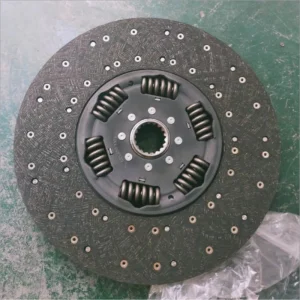
Explore our high-performance replacement component lineup, engineering to match or exceed strict OEM specifications for modern passenger, commercial, and off-road vehicles.
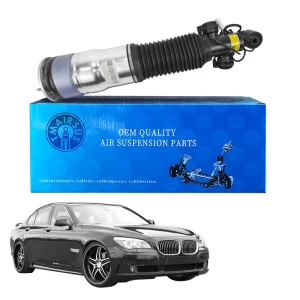
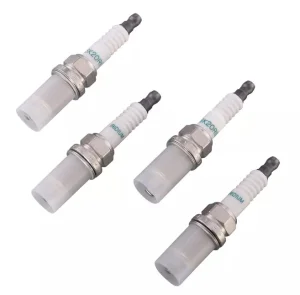
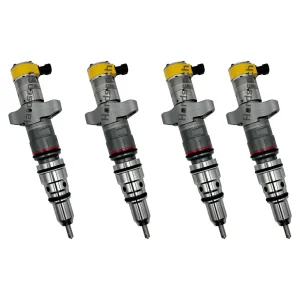
Analyzing the shift toward lightweight alloys, structural integrity, and the electrification of vehicular braking architectures globally.
The global automotive market is experiencing a profound paradigm shift. With the acceleration of Electric Vehicles (EVs) and Hybrid Electric Vehicles (HEVs), the demand dynamics of brake systems have pivoted. Regenerative braking takes the primary load during deceleration, meaning physical brake calipers experience lower cycle frequencies but must withstand prolonged periods of inactivity without seizing. Modern OEM caliper designs demand exceptional corrosion resistance, lightweight aluminum-alloy casings to enhance EV battery range, and drag-reduction engineering to eliminate parasitic friction losses.
Reducing unsprung mass is a fundamental target for chassis engineers worldwide. Monobloc calipers manufactured from high-tensile nodular cast iron or anodized aircraft-grade aluminum are becoming standard configurations. OEM casting technologies must minimize internal porosity and micro-structural defects. By utilizing sophisticated gravity casting or squeeze casting methods, current manufacturers guarantee high structural rigidity under extreme hydraulic pressures (reaching up to 150 bar) while reducing caliper unit weight by up to 30% compared to legacy architectures.
Global environmental mandates, particularly target legislation in the EU and North America, dictate the phase-out of copper and other heavy metals from friction interfaces. OEM caliper assemblies must demonstrate precise structural compatibility with low-copper and ceramic brake pads. Furthermore, ensuring noise, vibration, and harshness (NVH) mitigation via optimized piston alignment and specialized damping shims is critical to passing OEM performance verification protocols such as the SAE J2521 standard.
Procuring brake systems is no longer a matter of checking dimensional tolerances. Forward-thinking engineering procurement teams must review the supplier's capacity to deliver microstructural consistency in nodular iron castings (such as GGG40 or GGG50 grades) and prove the integrity of elastomeric seal compounds (EPDM) under extreme thermal variations (-40°C to +150°C). Zhejiang DC-Link Auto ensures every batch undergoes non-destructive ultrasonic testing to guarantee structural safety long before components reach the assembly line.
Leveraging over 15 years of industrial engineering excellence and international automotive trade integration.
Zhejiang DC-Link Auto Co., Ltd. was founded in 2011 and is headquartered in Yiwu, Zhejiang, China—an international trade hub known for its rich experience in the automotive industry. With over 15 years of expertise in automotive parts, we specialize in a wide range of components, including engines, turbochargers, brakes, steering systems, suspension systems, transmissions, and cooling systems.
Our company prides itself on a professional and efficient management team that is dedicated to providing high-quality services and strong business support. Over the years, we have earned the trust of more than 300 clients in over 60 countries and regions, thanks to our enthusiastic approach, reliability, and sense of responsibility. Our commitment to offering a comprehensive one-stop solution for auto spare parts sets us apart. We strive to simplify business transactions for our clients by providing flexible, comfortable, and dependable service, while consistently acting as a responsible business partner.
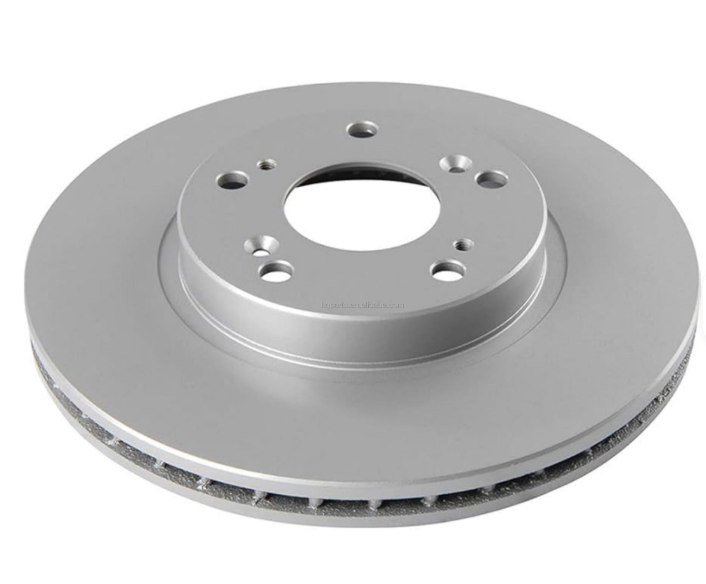
Our partner factories are equipped with cutting-edge machinery and advanced facilities, ensuring that we can maintain the highest standards of quality.
With over 6,500㎡ of warehouse facilities located in Ningbo, Qingdao, and Yiwu, we ensure that our clients enjoy seamless services, including easy access to product inspection, collection, and container loading. In addition to our own product lines, we provide free inspection services for goods sourced from our clients' other suppliers, helping them maintain quality standards across their entire inventory.
The factories are staffed by highly-skilled technical teams who oversee each production process. Strict adherence to timelines and technical procedures guarantees that we develop new products effectively while maintaining quality.
Each product undergoes thorough quality testing using a range of testing platforms and equipment before leaving the factory, ensuring that all products meet the exact requirements of our clients. To ensure the highest standards of service, our quality control team performs meticulous inspections of product quality and packaging. Detailed inspection reports are shared with clients, and shipments are only arranged once clients have approved the reports.
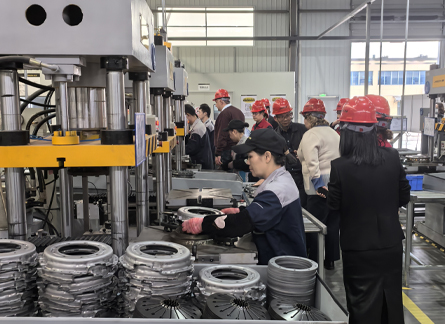
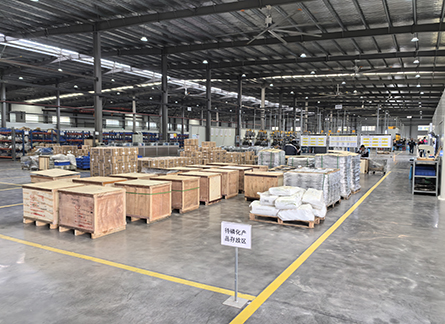
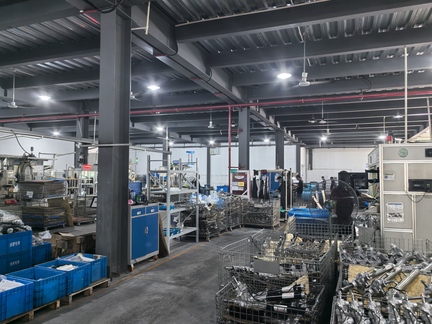
At Zhejiang DC-Link Auto Co., Ltd., we are certified under the ISO 9001 quality management system, and our partner factories hold additional certifications such as IATF 16949, CE, and TS16949. Here is the step-by-step physical walkthrough of our manufacturing systems:
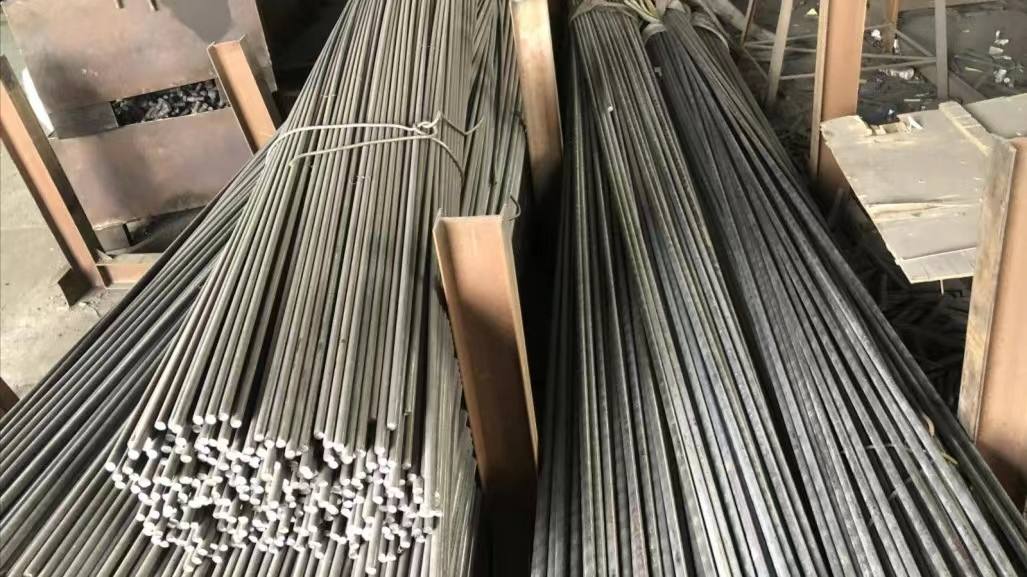
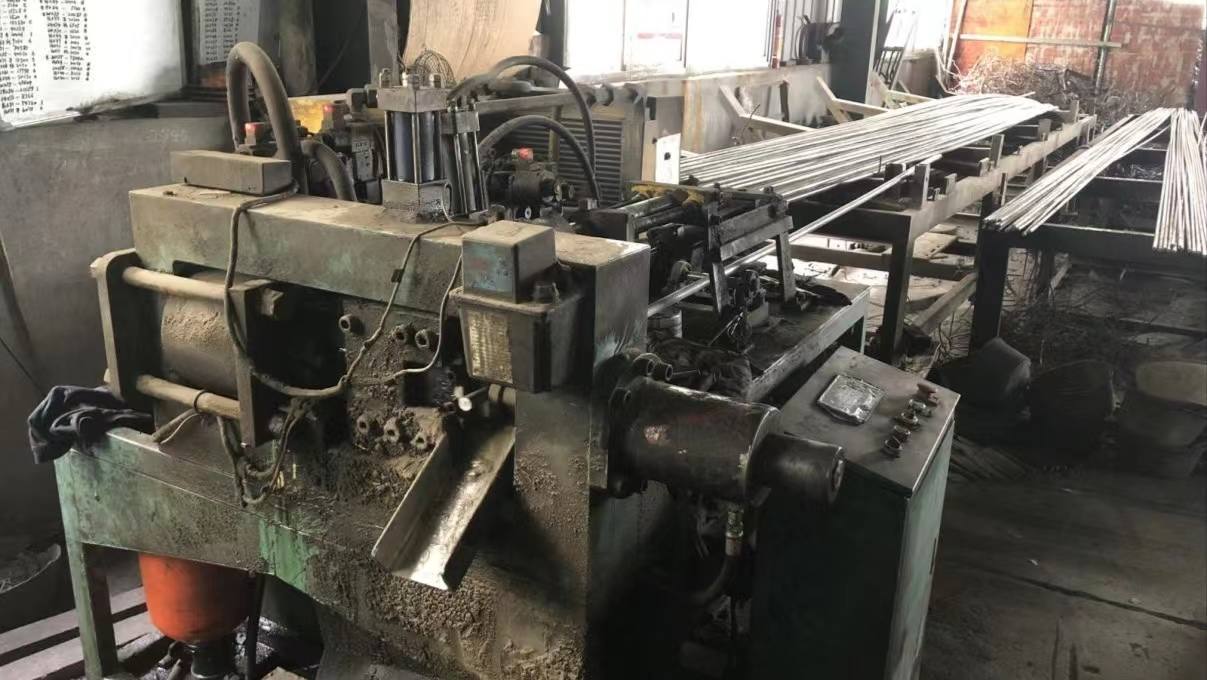
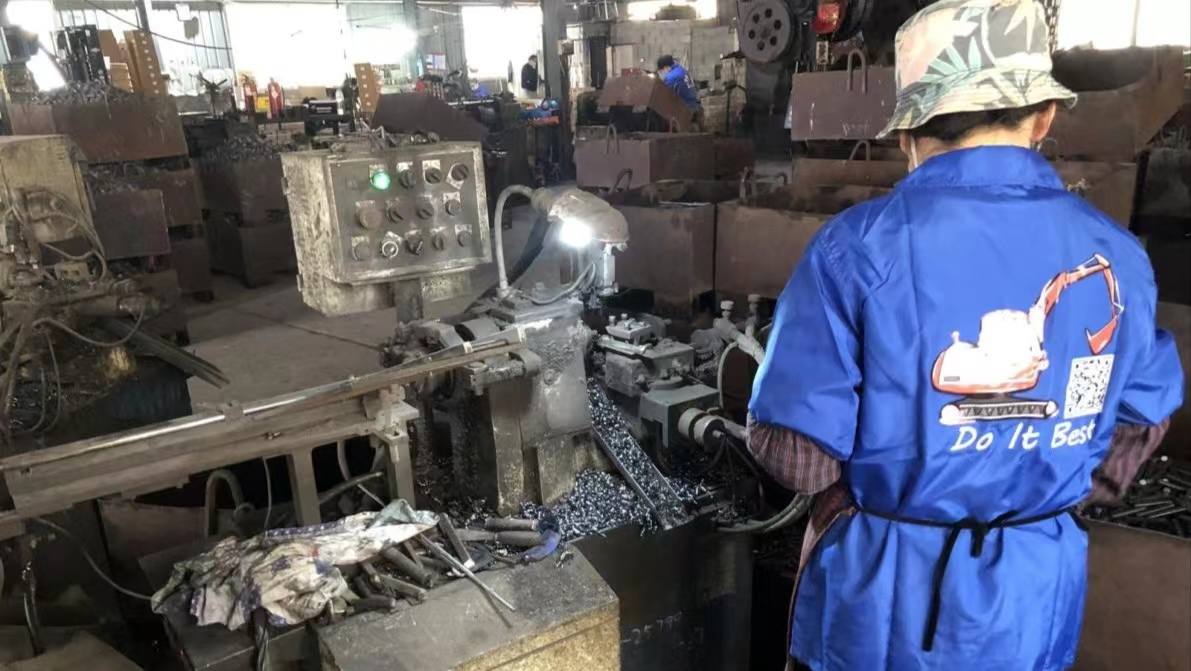
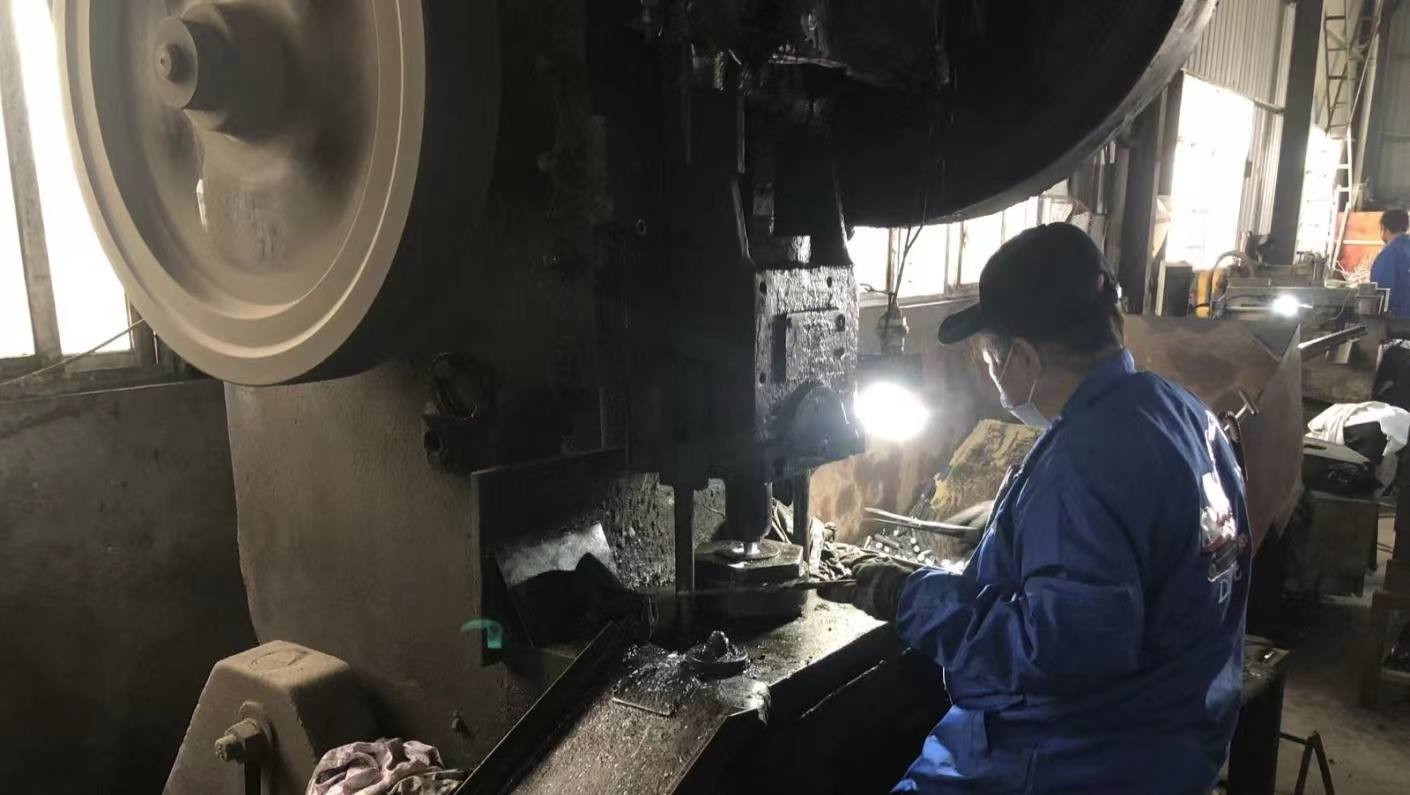
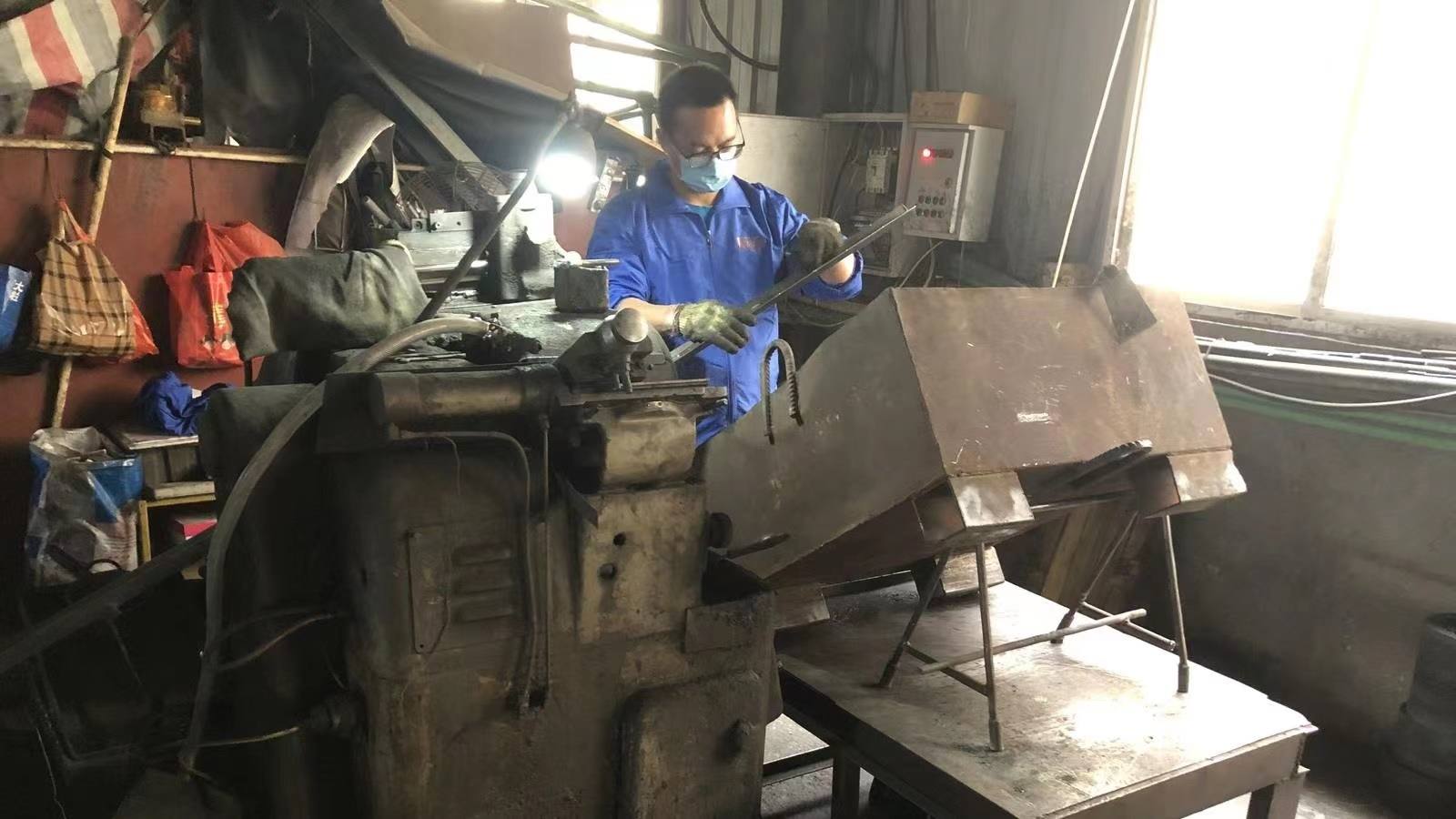
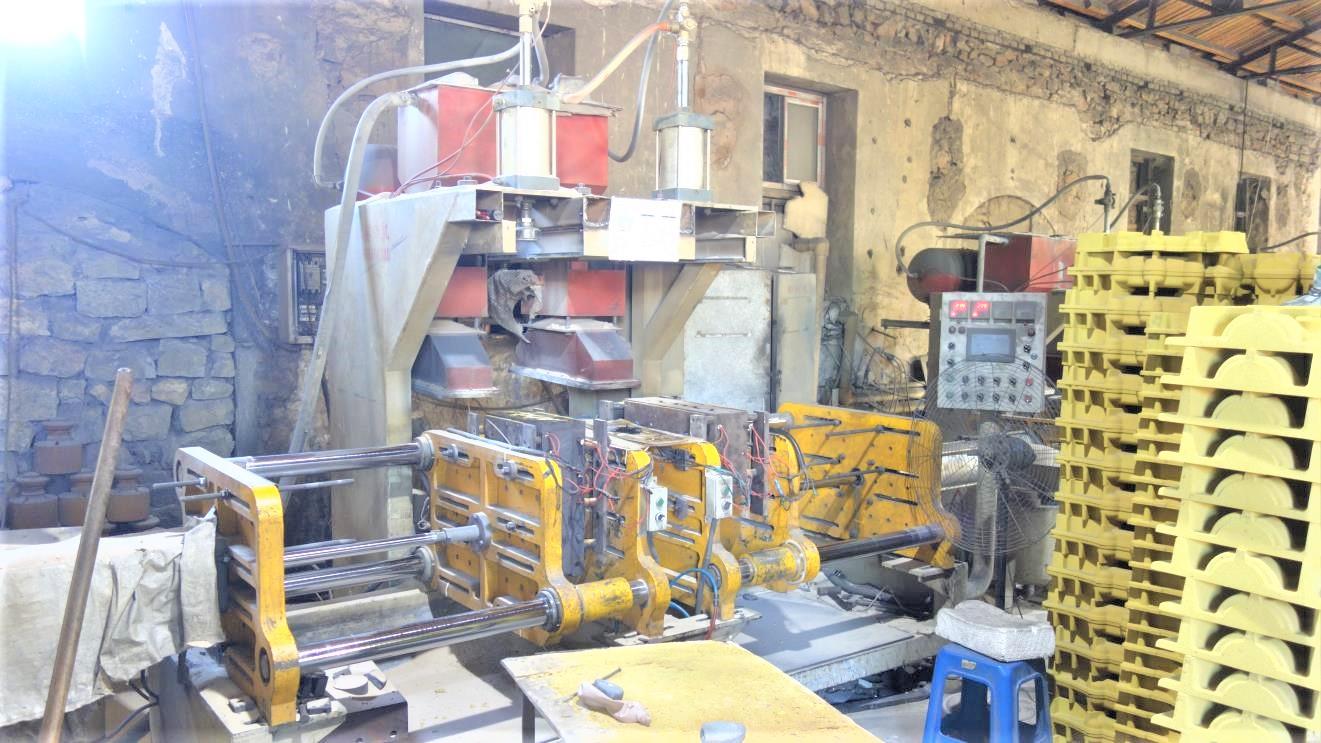
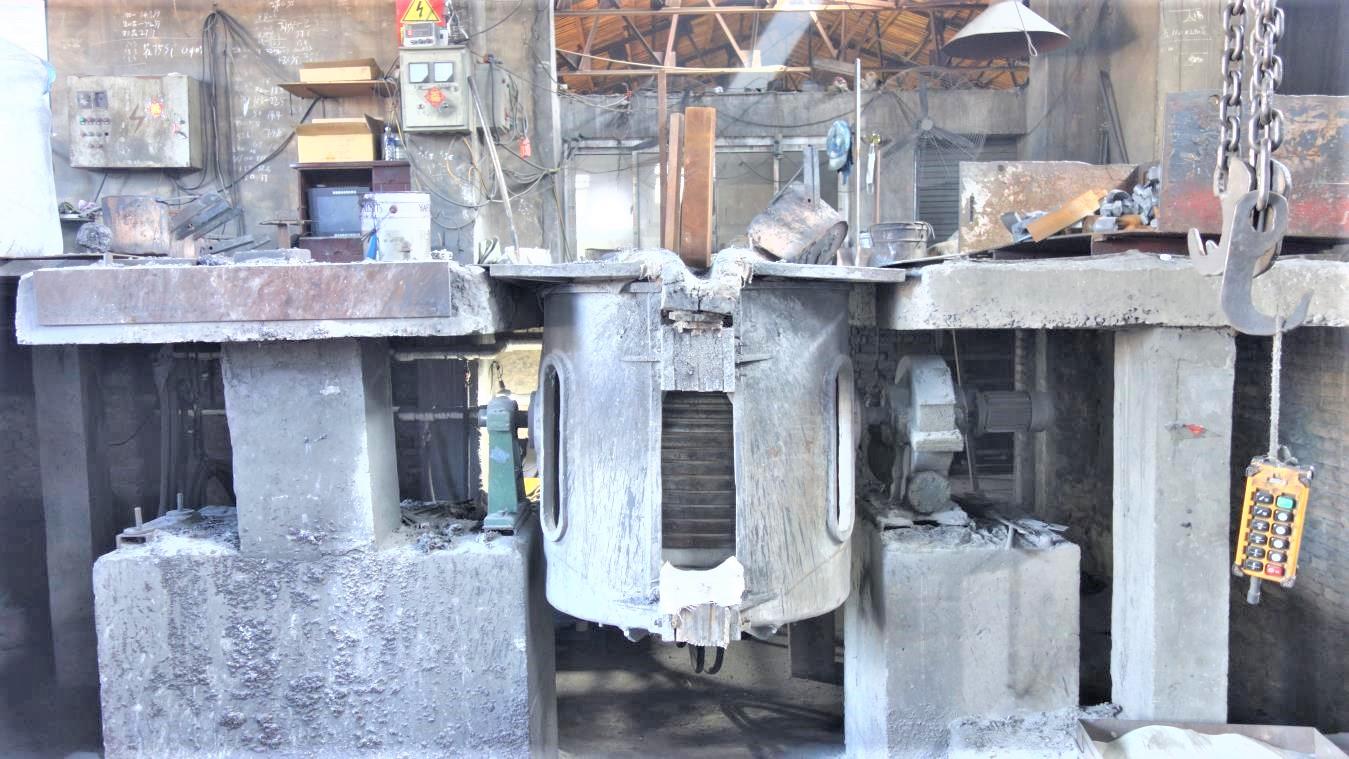
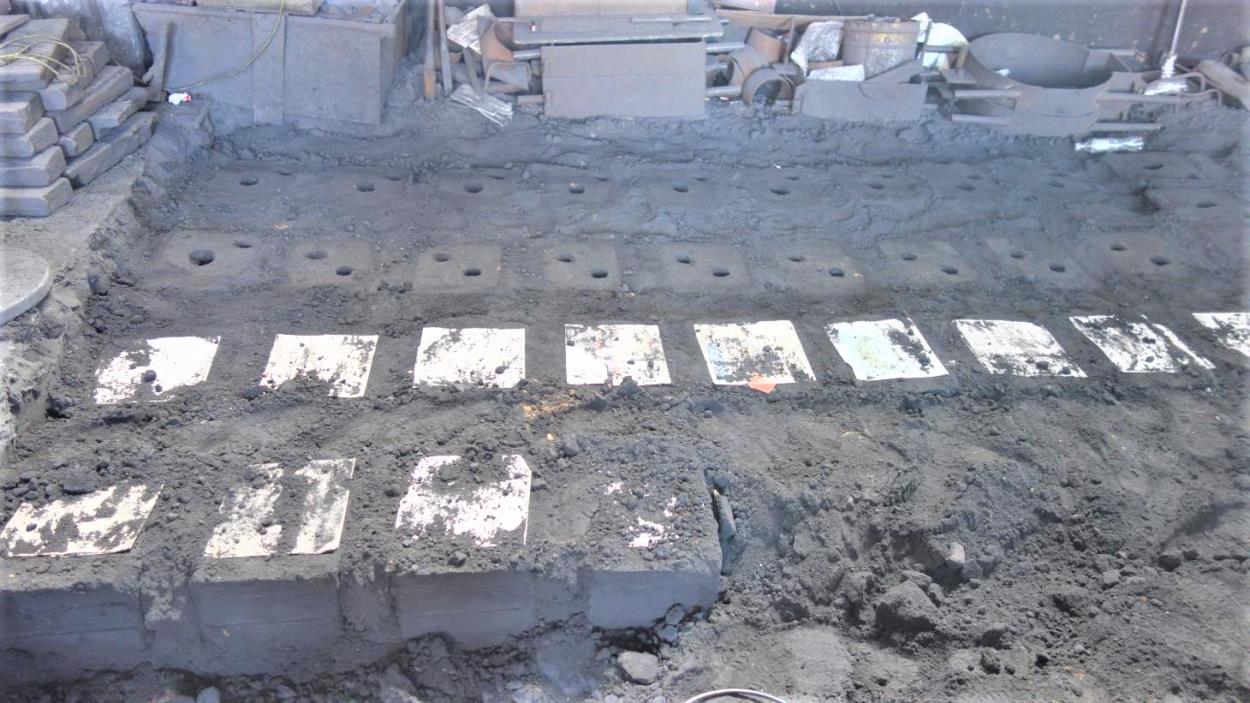
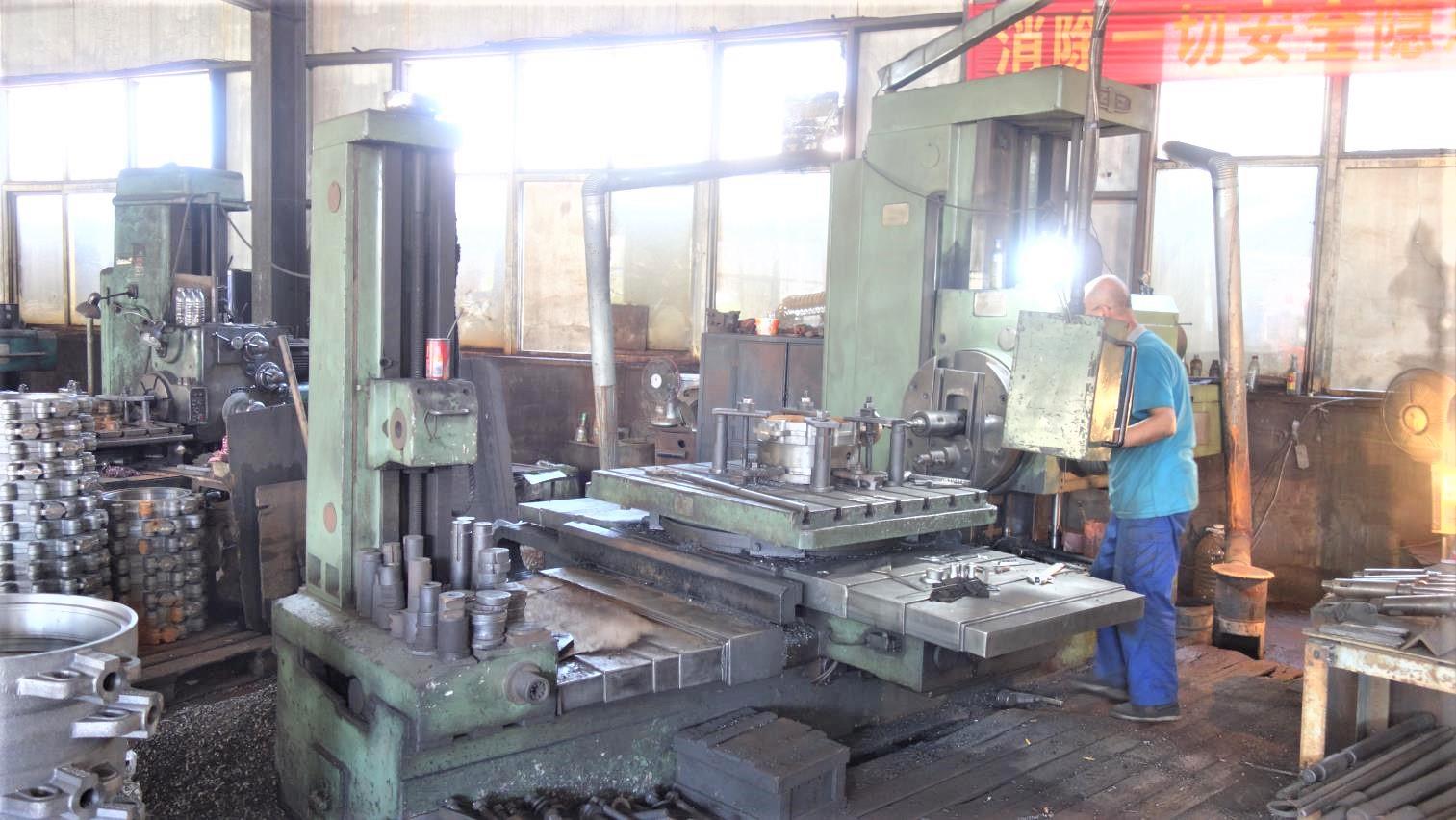
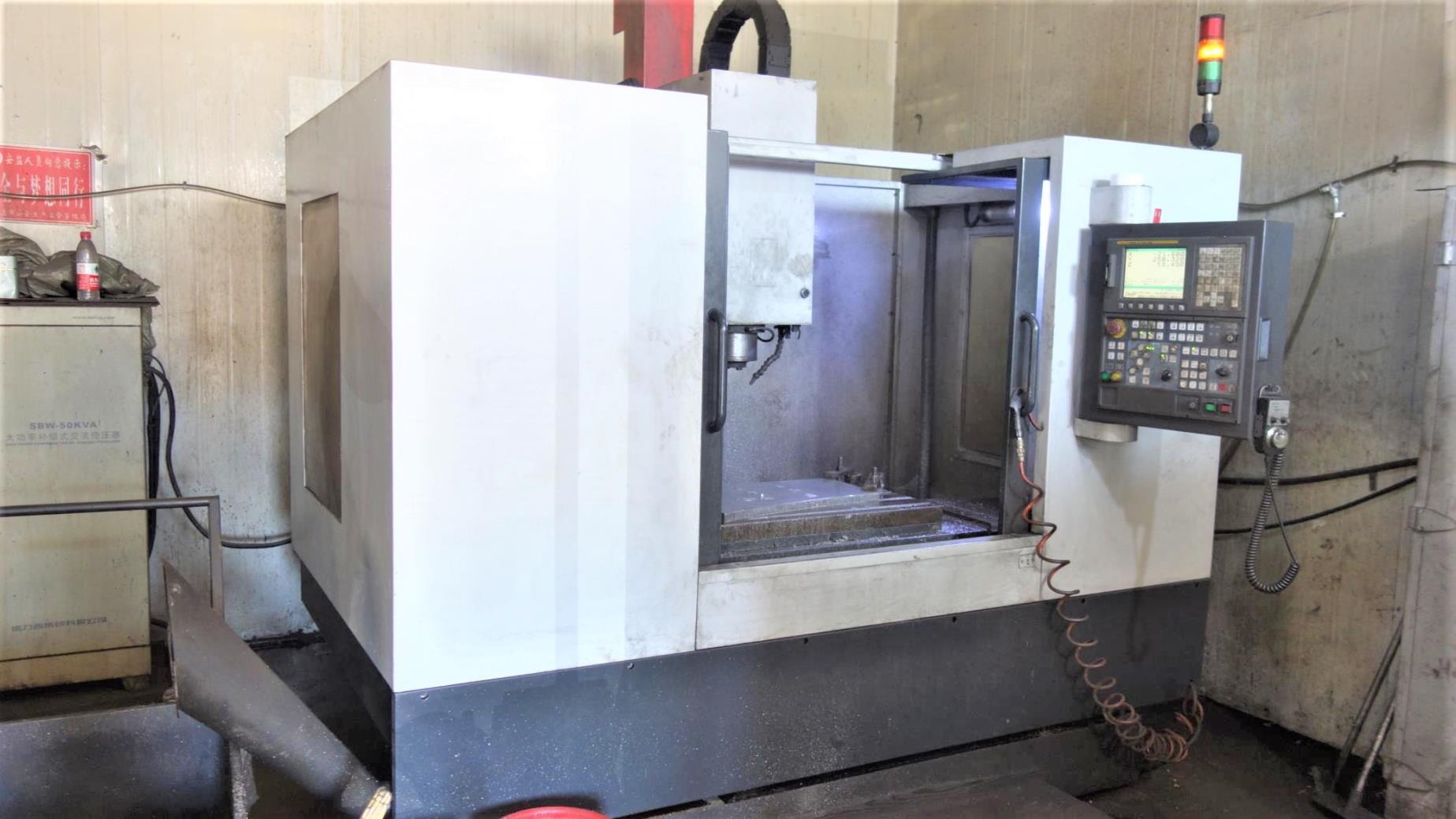
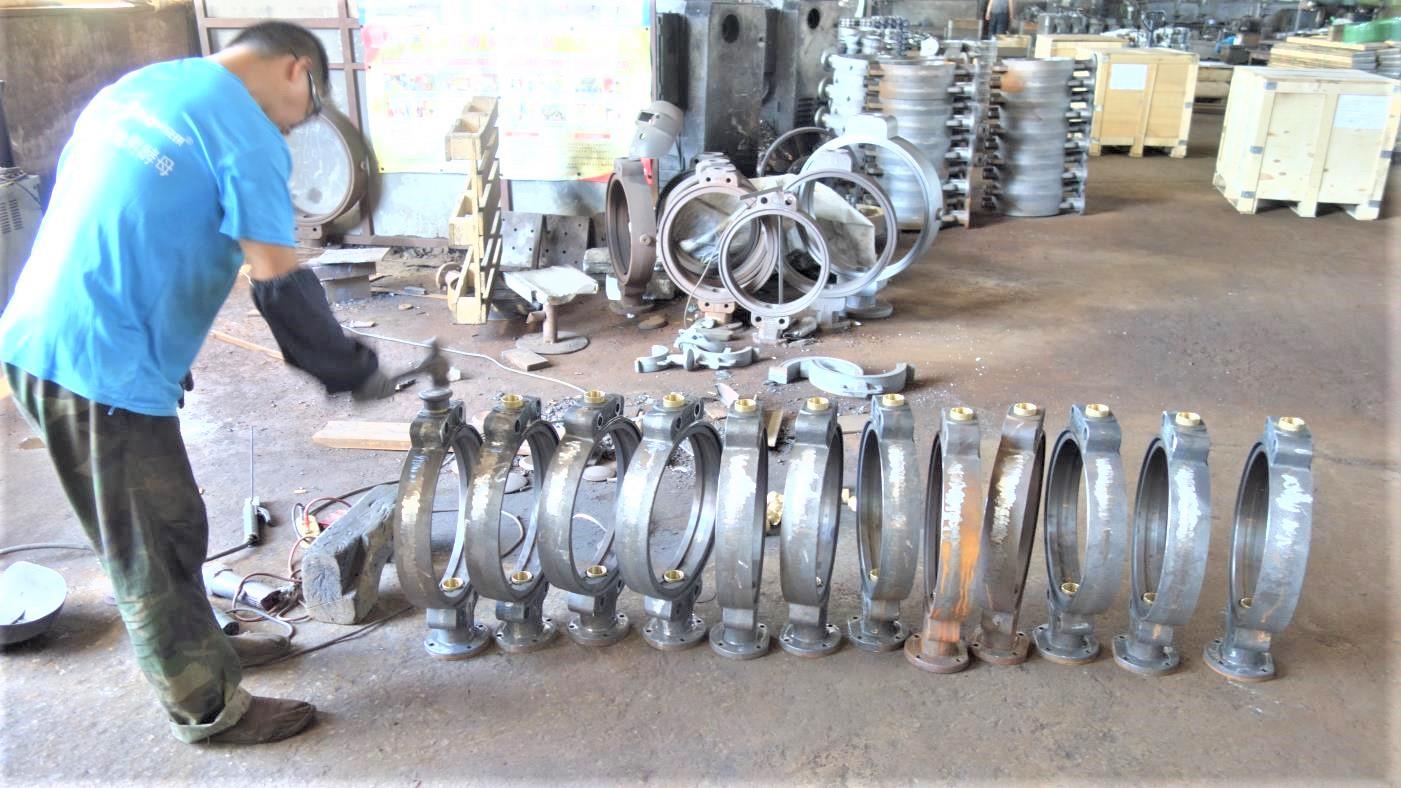
We will have established comprehensive cooperation agreements with over 120 different factories, further enhancing our ability to meet the diverse needs of our clients. We maintain efficient and transparent communication with all of our partners, ensuring that we consistently deliver high-quality, reliable products to our clients worldwide.
Tailoring braking performance and compliance protocols to regional climate patterns, regulatory frameworks, and market-specific operational stresses.
In the United States and Canada, custom OEM brake calipers must endure extensive highway driving patterns characterized by sudden heavy-load braking. Truck and SUV models require dual-piston and multi-piston configurations designed to handle extreme heat dissapation without showing signs of hydraulic fluid boiling or seal rupture. We provide calipers built with localized compliance safeguards to satisfy FMVSS 105 and 135 testing regulations, offering the reliability fleet operators demand under harsh, variable winter salt spraying and corrosive road treatments.
In metropolitan Europe and mountainous regions, alpine descents subject brake components to sustained high-friction thermal cycles. OEM components must strictly comply with ECE R90 regulations. Caliper housings are engineered with specialized ventilation passages that direct cooling air across the cylinder walls. By optimizing the metal thickness around critical stress lines, our European market products demonstrate absolute structural defense against thermal cracking, providing silent, squeal-free operations in compact and premium electric passenger cars.
The future of stopping power is electronic, connected, and highly responsive. How we are preparing for the next wave of smart chassis platforms.
We are actively researching the commercialization of fully dry Electro-Mechanical Braking (EMB) calipers. By replacing hydraulic fluid chambers, lines, and master cylinders with high-precision electric motor actuators mounted directly on the caliper body, EMB technology eliminates fluid disposal hazards and drastically reduces response times from 300 milliseconds down to less than 90 milliseconds, paving the way for advanced Autonomous Driving Level 4 capabilities.
Integrating telemetry directly within the caliper structure allows for real-time monitoring of system health. Future custom OEM designs will feature embedded micro-sensors tracking piston pressure levels, operating temperatures, and brake pad wear limits. These sensors stream telemetry over the vehicle's CAN bus, alerting fleet management dashboards of predictive maintenance requirements before critical failures occur.
Traditional zinc coatings and cadmium hexavalent plating methods are rapidly being replaced by environmentally stable, high-performance geopolymer zinc-flake finishes. These coatings offer superior protection, passing rigorous 1000-hour neutral salt spray tests (ASTM B117) without causing environmental heavy metal runoff. Zhejiang DC-Link Auto remains committed to aligning all manufacturing finishing lines with global eco-compliance parameters.
Expert insights addressing materials, production tolerances, supply logistics, and customization options for heavy commercial and passenger vehicle braking platforms.
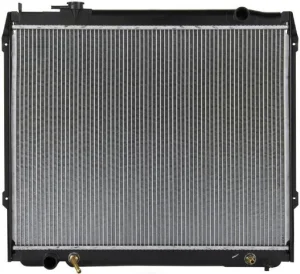
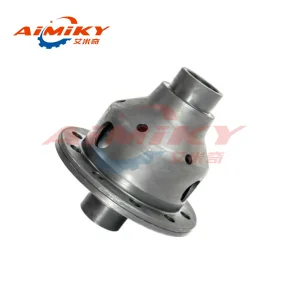
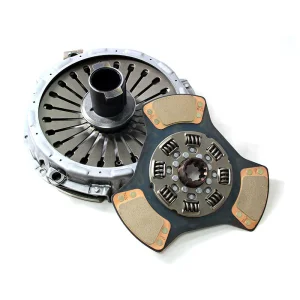
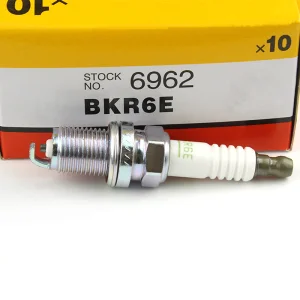
Review our comprehensive portfolio of heavy-duty auto chassis, transmission, cooling, and electrical ignition accessories.
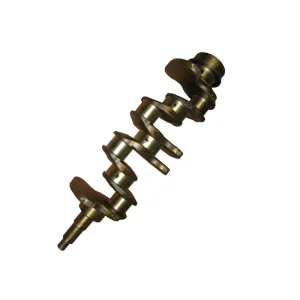
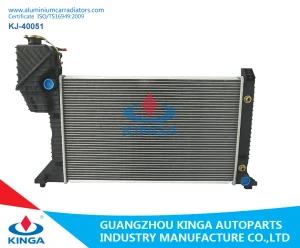
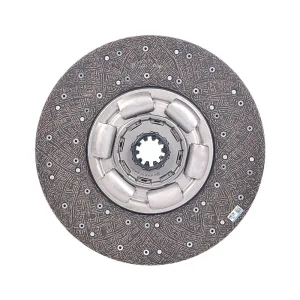
 DC-Link Auto