Pioneering precision manufacturing and supply chain coordination for high-demand global systems.
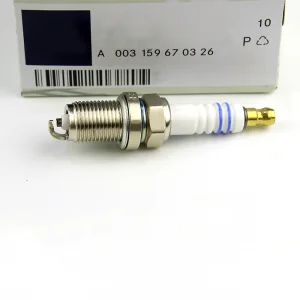
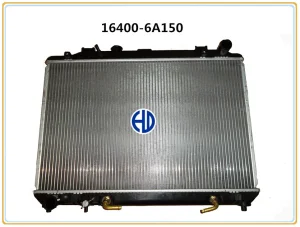
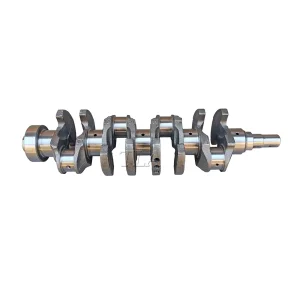
The global automotive industry is undergoing a rigorous transformation dictated by stringent emissions legislation and thermodynamic efficiency requirements. Although electric vehicles (EVs) command extensive media coverage, internal combustion engines (ICE) and hybrid powertrains (HEVs/PHEVs) remain the cornerstone of global logistics and passenger transport fleets. Modern exhaust systems are no longer simple metallic conduits for waste gas; they are complex chemical reactors, thermal energy recovery stations, and acoustic damping arrays.
According to international industrial projections, the demand for high-performance, emissions-compliant exhaust systems is set to grow stably through 2035, driven by the expansion of hybrid powertrains requiring intricate dual-cycle systems and selective catalytic reduction (SCR) configurations.
Exporting exhaust components requires navigating complex regulatory frameworks. Catalytic converters must feature optimal washcoat formulations containing precisely measured precious metals (Platinum, Palladium, Rhodium) to facilitate efficient reduction of nitrogen oxides (NOx) and oxidation of carbon monoxide and unburnt hydrocarbons. Industrial buyers require absolute confidence that the exhaust assemblies sourced comply fully with local environmental guidelines to avoid severe customs penalties and product recalls.
Exhaust systems face extreme thermal cycles, ranging from ambient outdoor temperatures to exhaust gas spikes of over 950°C. Sourcing requires high-grade materials like SUS304 and SUS409L stainless steel. The choice of alloy directly determines the rate of thermal oxidation and localized galvanic corrosion. Leading manufacturers employ robotic metal active gas (MAG) welding to ensure stable joint microstructures that resist vibrational stress over hundreds of thousands of duty cycles.
The manufacturing ecosystem in China offers unparalleled vertical integration. From primary steel production to specialized components like oxygen sensors and flexible bellow couplings, the proximity of supply chain clusters significantly reduces lead times. For international purchasers, sourcing directly from a coordinated hub is key to driving down total cost of ownership (TCO).
Zhejiang DC-Link Auto Co., Ltd., founded in 2011 and headquartered in Yiwu, Zhejiang, China—a vital international trade center—leverages over 15 years of industry experience. We specialize in comprehensive engine, turbocharger, steering, braking, suspension, cooling, and exhaust system distribution. Operating at this scale enables us to build optimized sourcing paths for complex automotive and commercial applications.
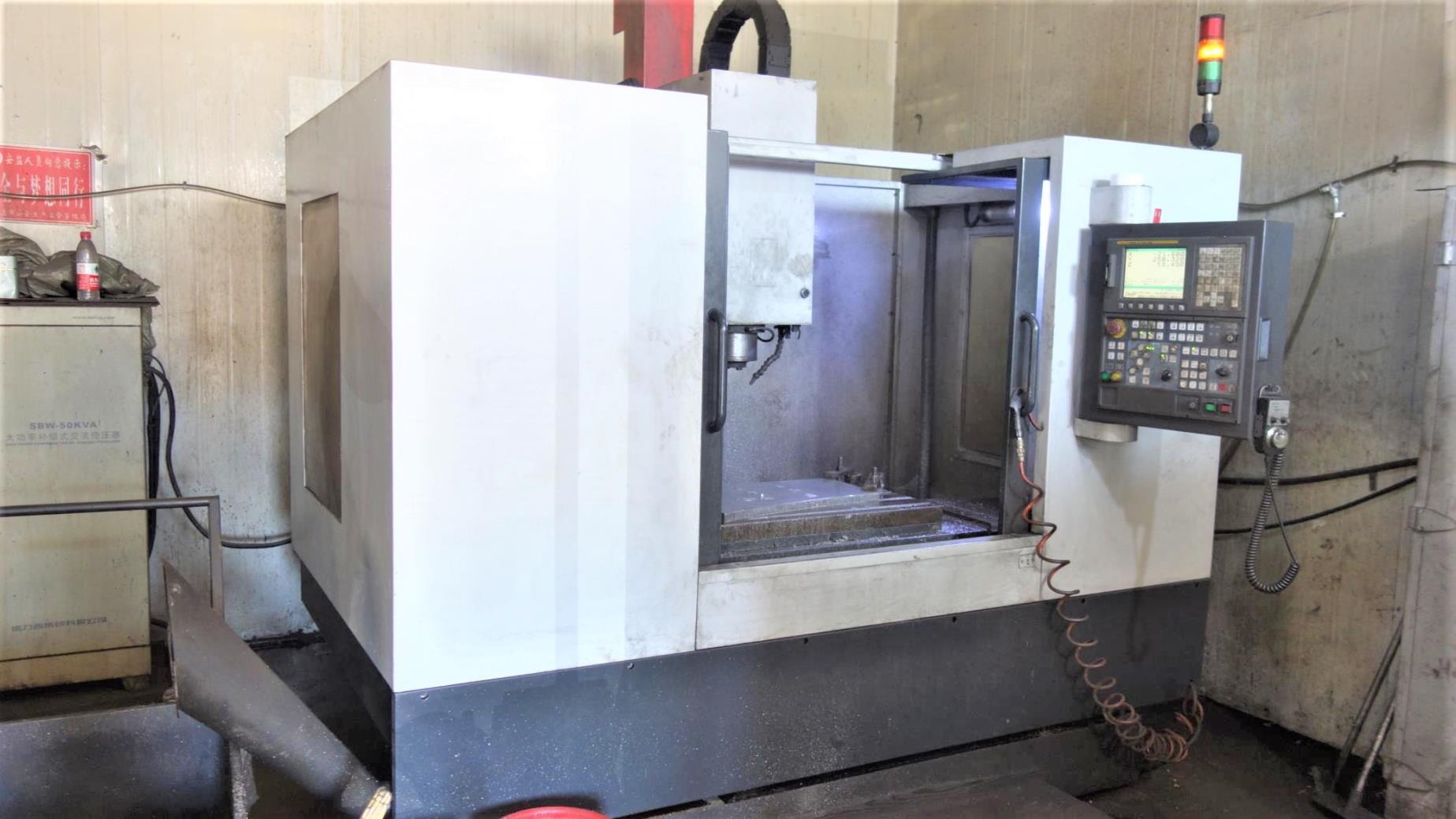
Our strategic partner factories utilize highly automated mandrel bending, CNC hydroforming, and robotic welding stations to ensure identical tolerances across high-volume production batches. Our 6,500㎡ of warehouse space situated in the critical logistics hubs of Ningbo, Qingdao, and Yiwu ensures fast consolidation, sorting, packaging, and shipping.
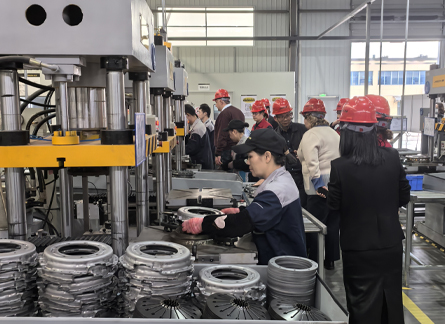
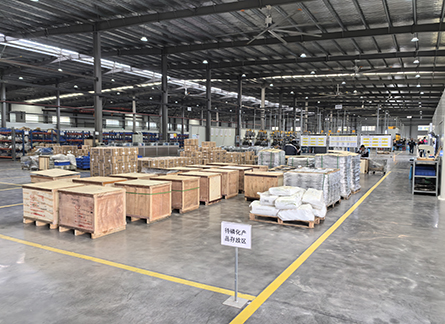
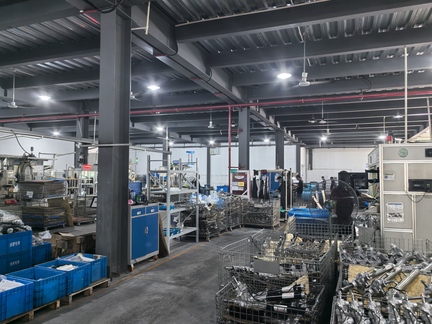
Selecting the appropriate exhaust system setup based on operating environment, vehicle type, and regional legislation.
For heavy transport traversing high-altitude or low-temperature terrains, DPF (Diesel Particulate Filter) and active SCR urea dosing must operate reliably without thermal lag. Systems utilize thick-walled SUS409 exhaust tubing to resist impact from road debris and localized corrosion from winter road salt treatments.
Urban vehicles experience prolonged idling, which prevents exhaust systems from reaching optimal self-cleaning (regeneration) temperatures. Our customized systems optimize backpressure to ensure lower fuel consumption and reduce carbon build-up in catalytic converters under low-temperature conditions.
For mining and agricultural machinery, exhaust systems must withstand intense structural vibrations. Heavy-duty double-braid flexible couplers are integrated alongside reinforced structural mounting brackets to absorb continuous displacement without cracking.
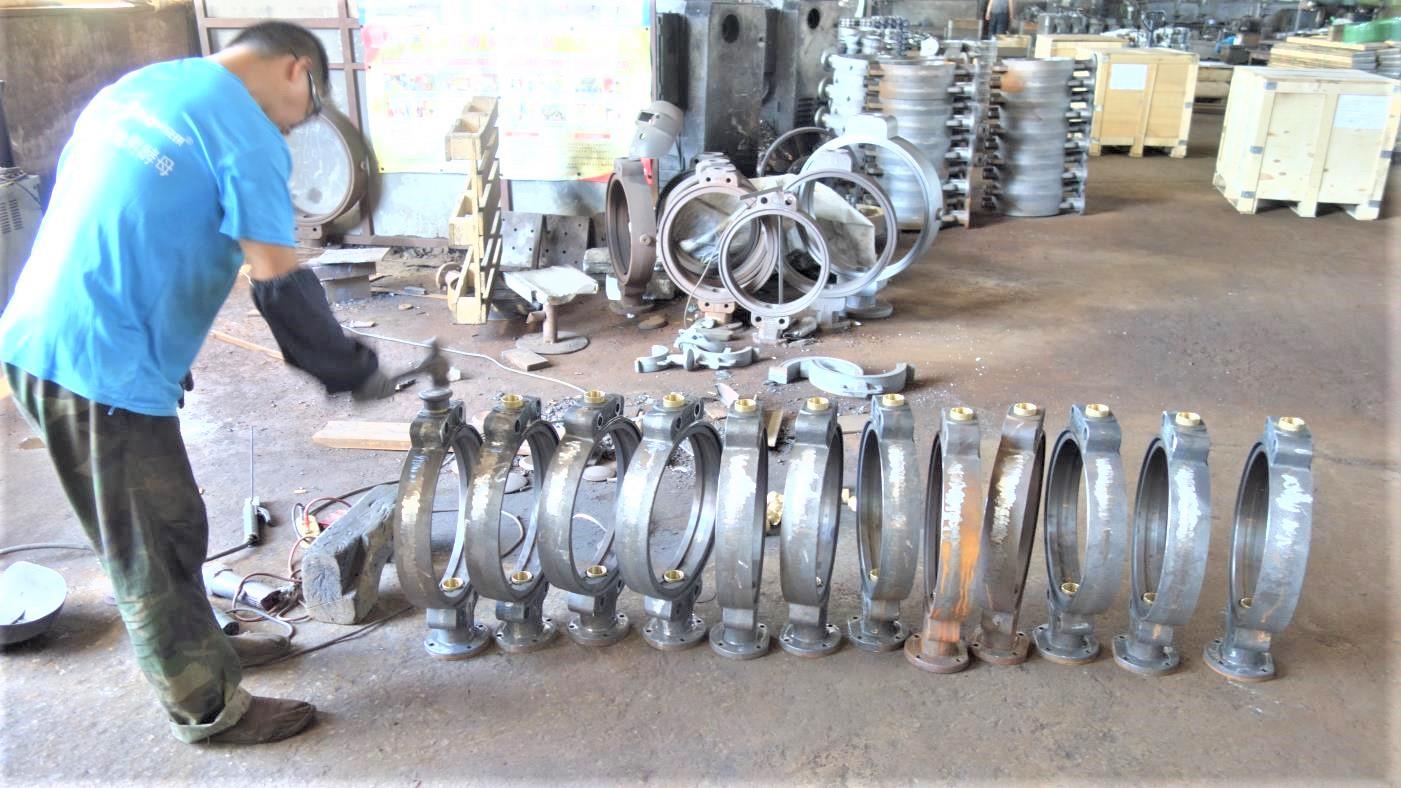
At Zhejiang DC-Link Auto Co., Ltd., we are certified under the ISO 9001 quality management system. Our manufacturing partner facilities are certified to international automotive aftermarket standards, including IATF 16949, CE, and TS16949. Below is a breakdown of our standard factory production line processes:
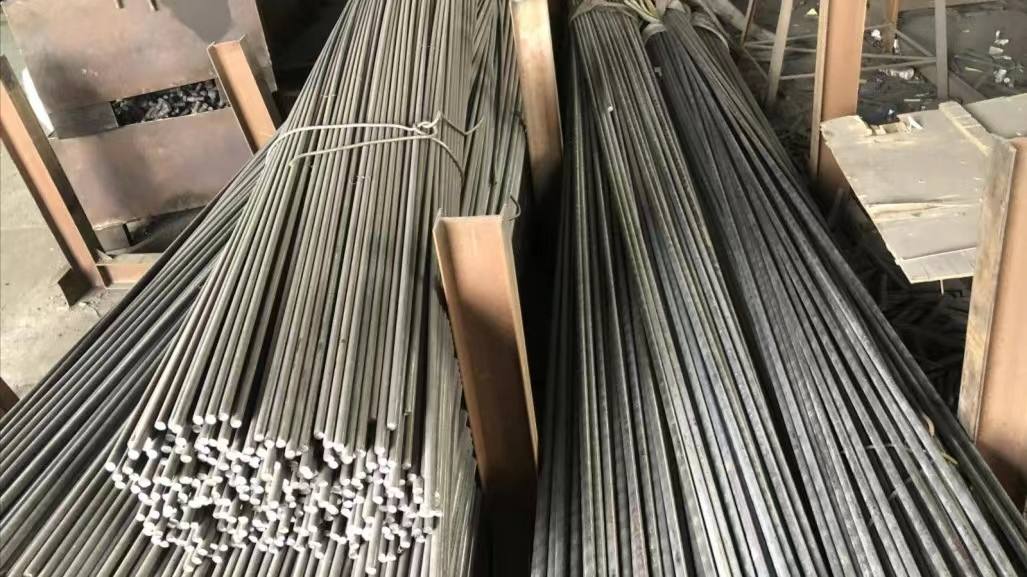
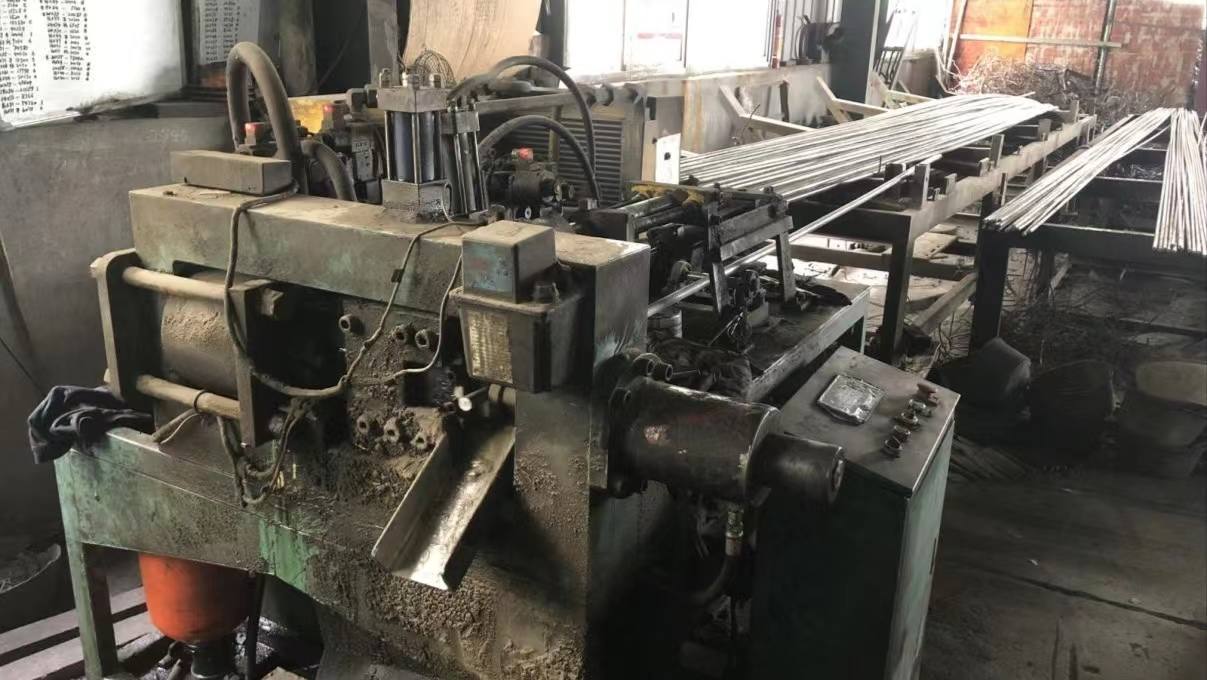
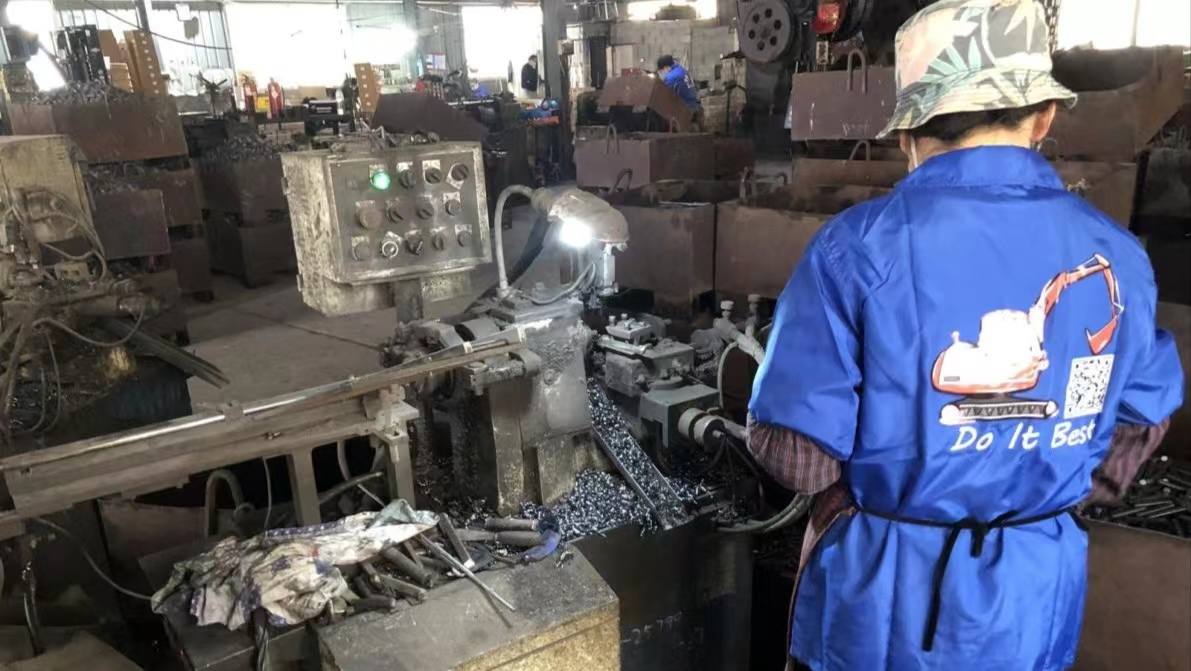
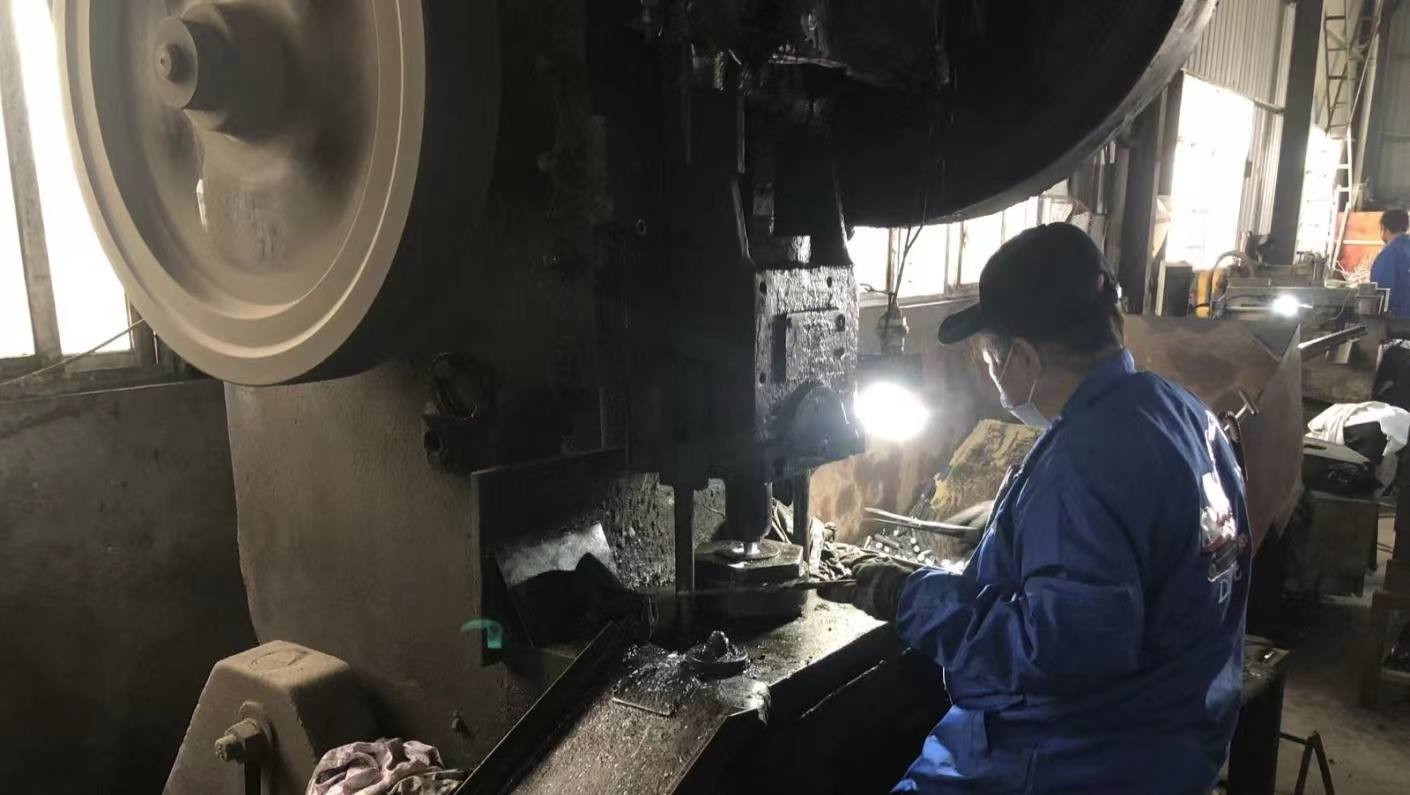
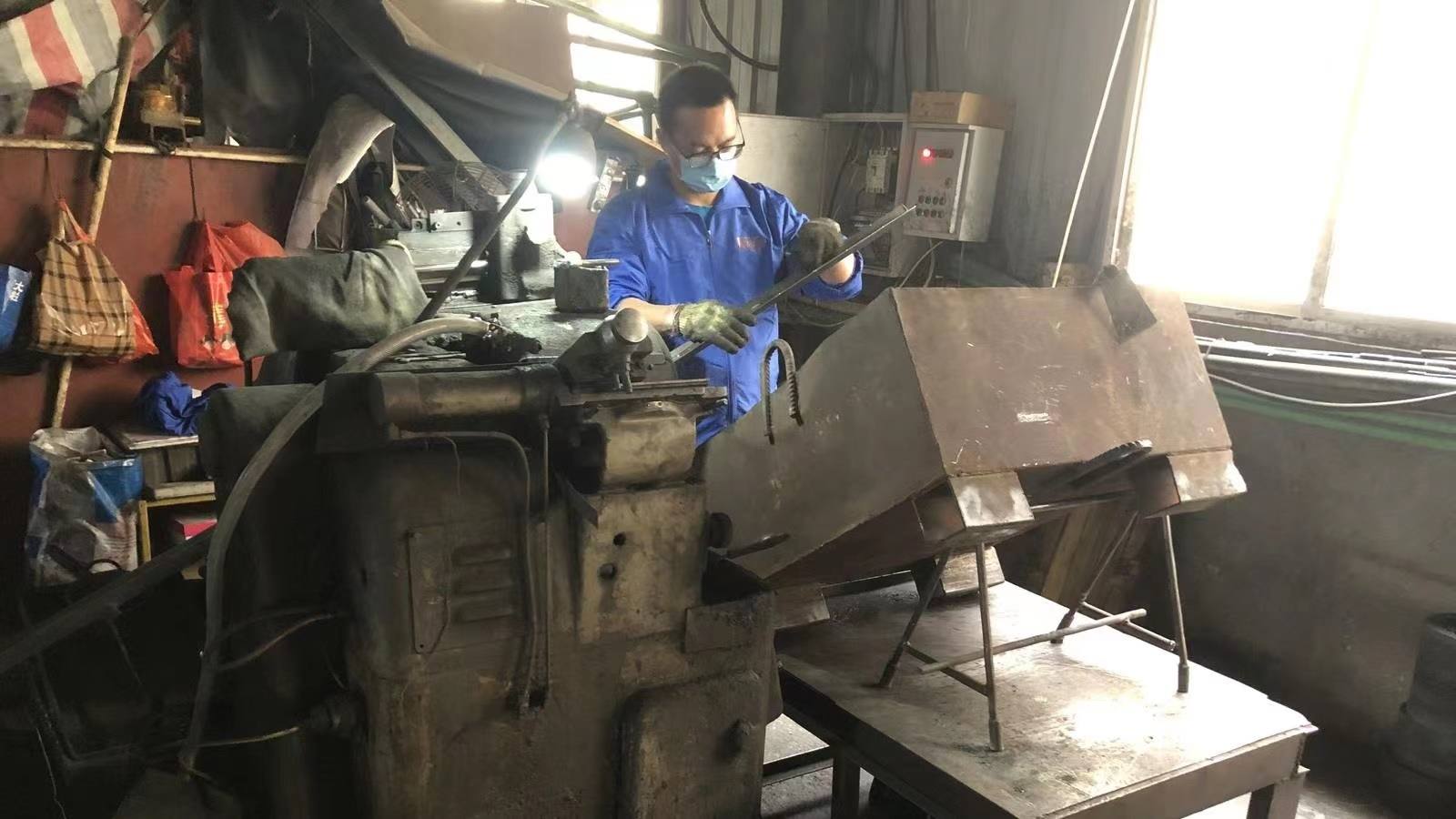
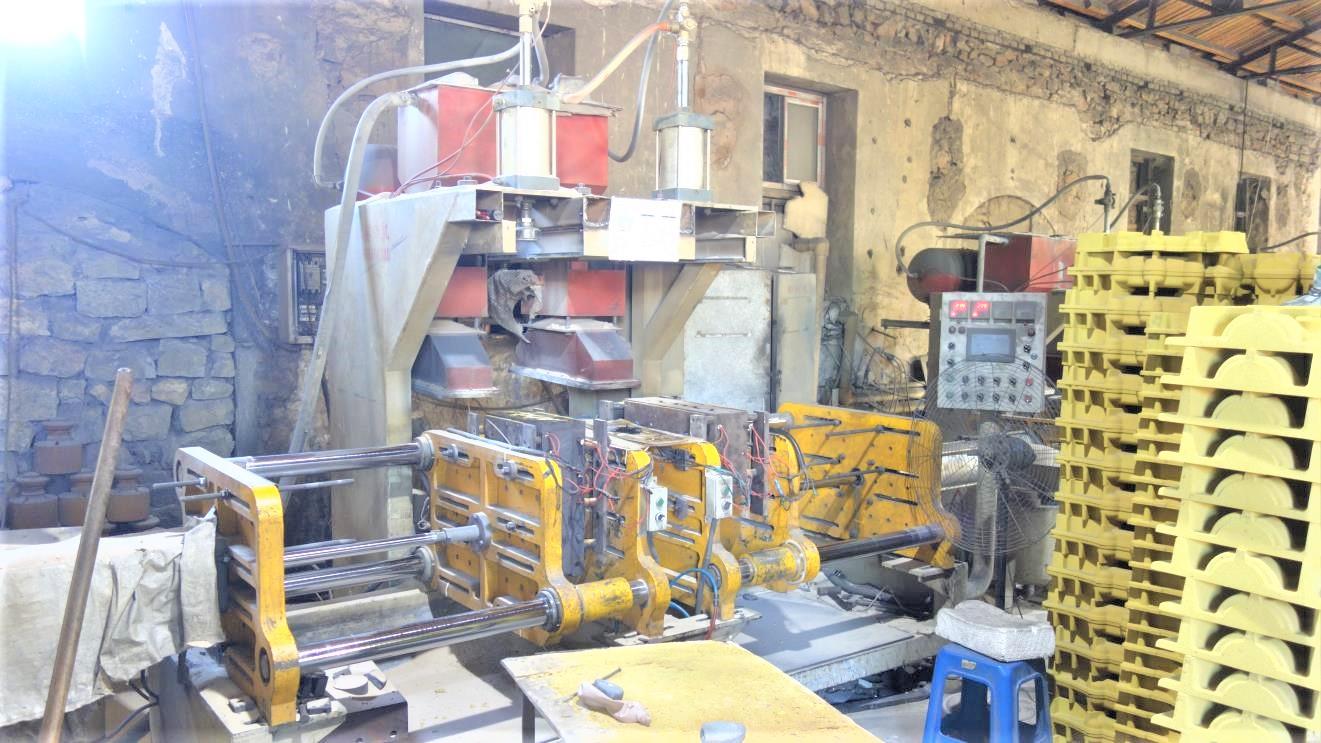
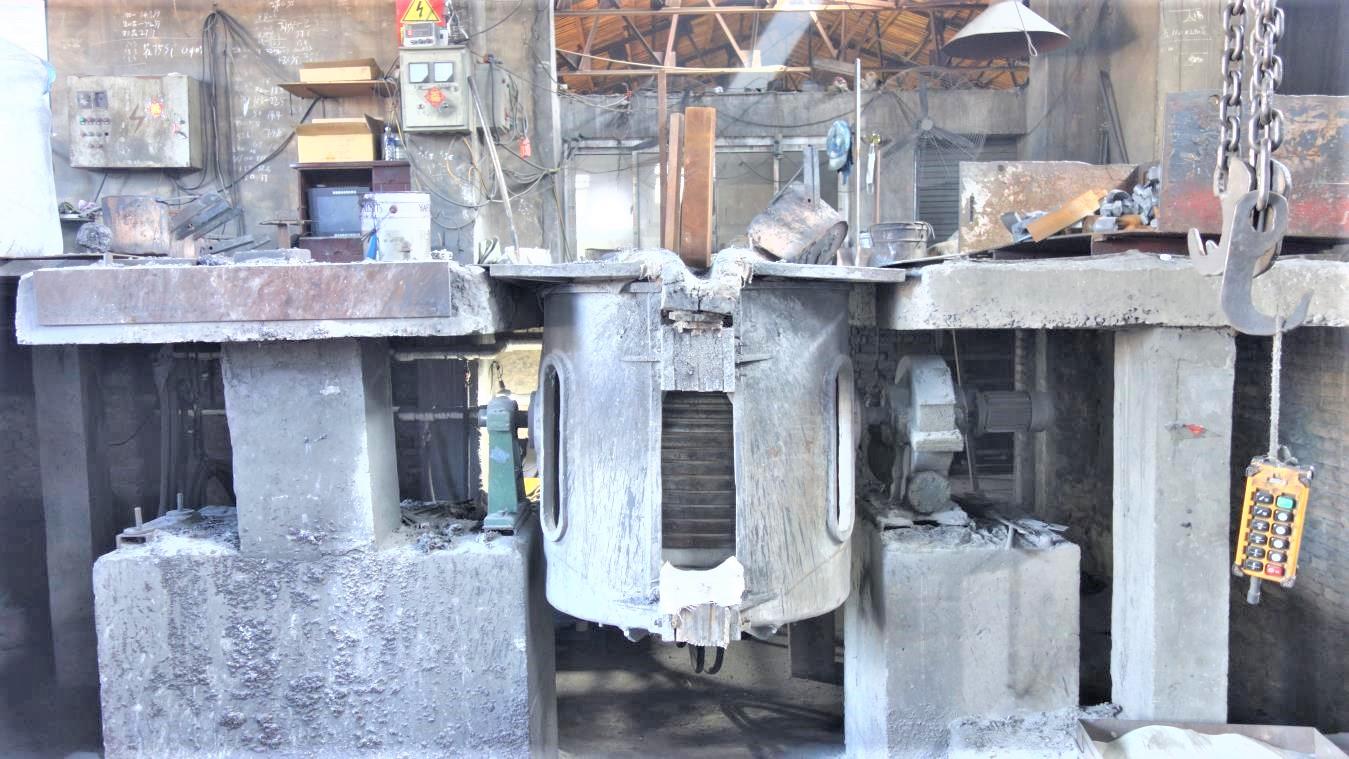
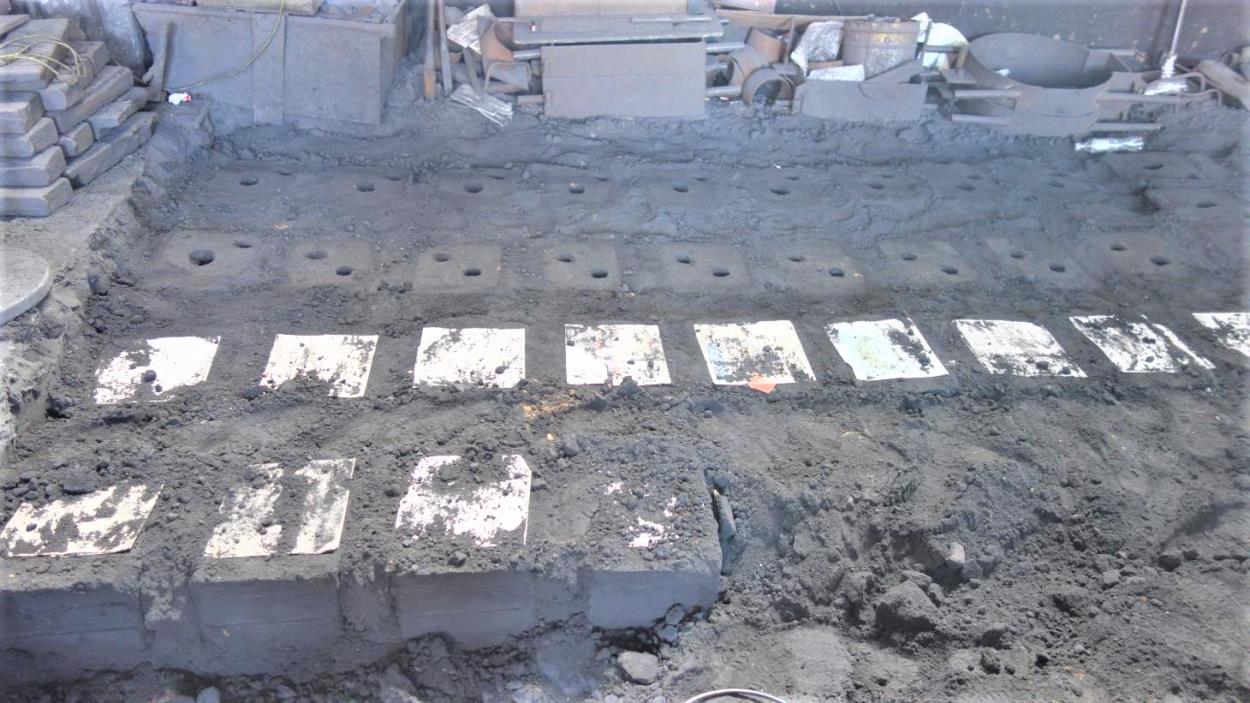
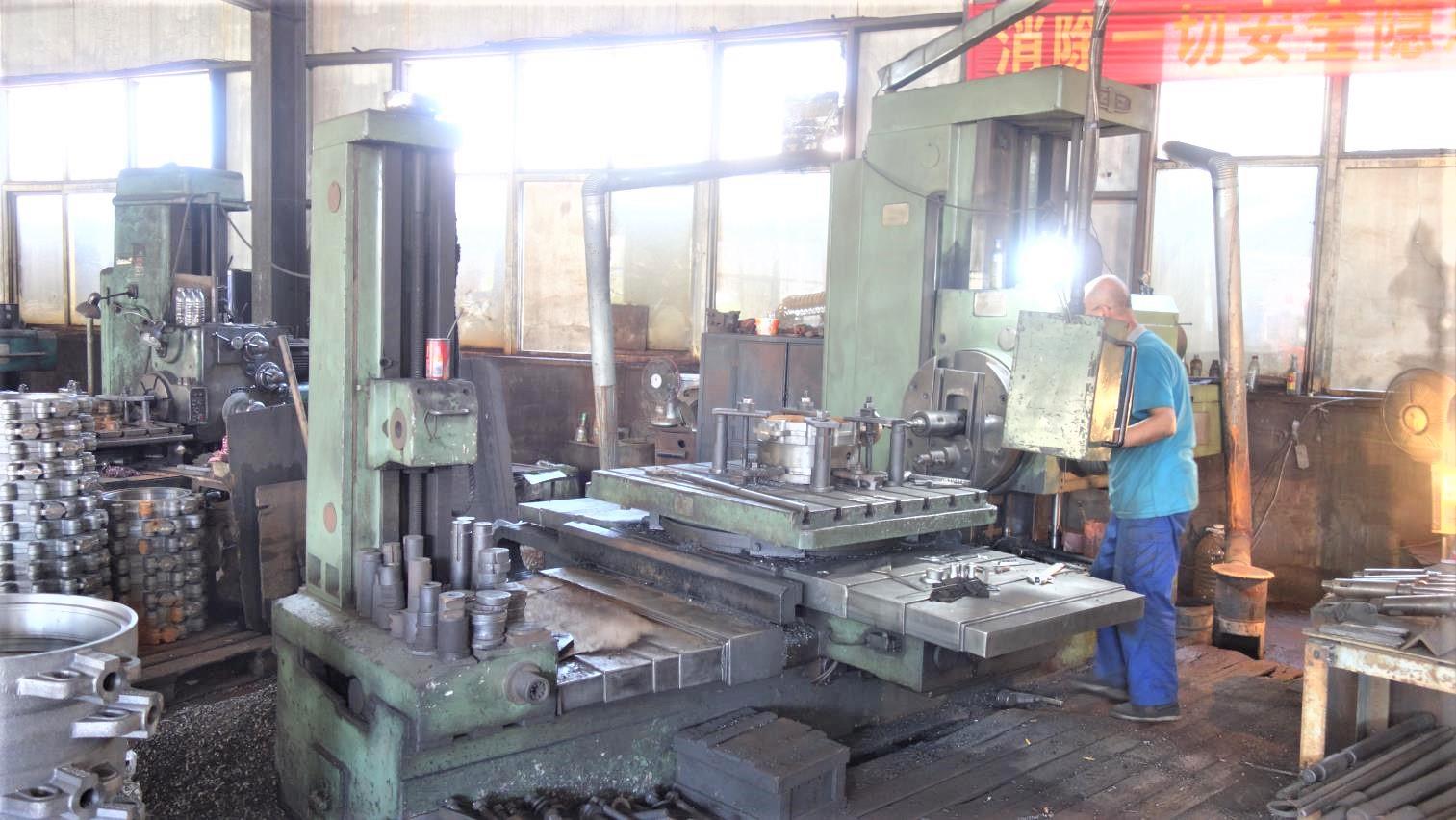
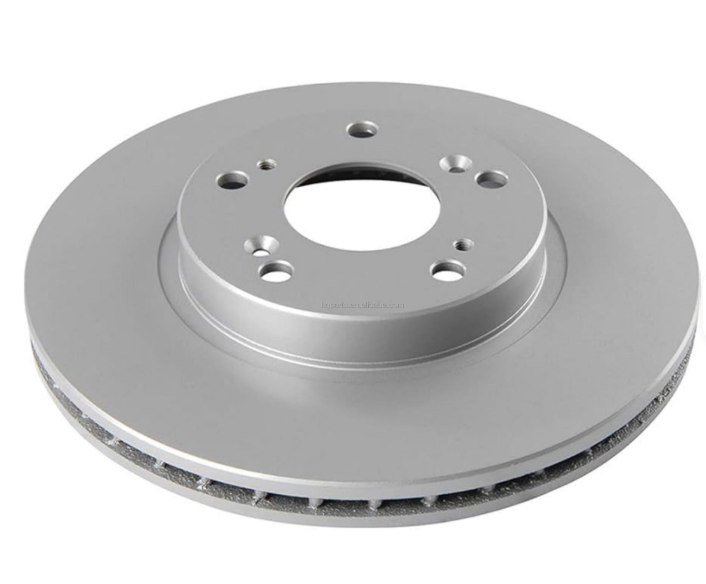
Example of our partner-facility output quality: Honda Civic VII Brake Rotor.
Purchasing components globally involves managing variables around quality assurance, consolidation, and transit security. To address these challenges, Zhejiang DC-Link Auto Co., Ltd. provides a structured, multi-step quality control and logistics framework:
We leverage our 6,500㎡ warehouse footprint in Ningbo, Qingdao, and Yiwu to offer free inspection services for items sourced from other suppliers in your supply chain. We verify packaging, dimensions, weld quality, and material grades before container loading to ensure consistent standards across your shipment.
By consolidating cargo at Ningbo and Qingdao ports, we reduce sea freight costs and simplify customs clearance. Our management team handles all export documentation, bill of lading filing, and coordinate tracking to guarantee timely container loading.
Technical answers to help import managers and automotive engineers make informed procurement decisions.
For components exposed to high temperatures, SUS304 offers high corrosion resistance and high-temperature oxidation limits. However, for cost-effective mass production in areas subject to thermal cycling without extreme chemical corrosion, SUS409L is often selected due to its lower thermal expansion coefficient and resistance to chloride stress corrosion cracking.
Conversion efficiency is maintained by matching catalyst substrate cell density (typically 400 or 600 CPSI) with washcoat formulations containing exact loadings of Platinum, Palladium, and Rhodium. Advanced factories use precision automated slurry dipping processes to ensure even washcoat distribution, verified via X-Ray Fluorescence (XRF) testing before delivery.
Our partner factories subject flexible bellows to helium leak testing, high-pressure pneumatic tests, and lateral/axial displacement stress tests. Interlocking liners are often added to protect inner bellows from high-velocity exhaust gas wear.
Excessive backpressure restricts engine breathing, increasing pumping losses and fuel consumption. Our manufacturing partners use CAD simulation tools to model gas velocity and optimize pipe diameters, bend radii, and muffler baffle layouts, ensuring optimal balance between noise reduction and engine performance.
Extending our quality-assured sourcing across replacement parts, power tools, and heavy machinery components.
 DC-Link Auto