Leveraging professional engineering matrices, our primary mechanical and thermal component arrays represent the zenith of precision manufacturing standards across our factory network.
In modern commercial, industrial, and automotive environments, floor mats are no longer treated as simple aesthetic coverings. Today, they represent a highly engineered barrier system essential for safety, surface preservation, and environmental hygiene. As global automotive interiors lean toward long-term durability and industrial facilities emphasize safety compliance, the demand for precision-molded Thermoplastic Elastomer (TPE), heavy-duty vulcanized rubber, and advanced multi-layer compound floor mats has surged exponentially.
For international sourcing directors, procurement managers, and distributors, discovering reliable China floor mat factories and exporters is key to maintaining a competitive edge. The intersection of raw material access, precision tooling, and chemical safety compliance (such as RoHS and REACH) determines a supplier's value. This whitepaper analyzes how advanced manufacturing facilities in China have evolved from low-cost producers into global centers of engineering excellence, delivering custom interior and industrial matting solutions to markets worldwide.
Zhejiang DC-Link Auto Co., Ltd., founded in 2011 and based in Yiwu, Zhejiang—a major global trade hub—exemplifies the efficiency of China’s automotive and industrial components supply chain. With over 15 years of industry experience, DC-Link has developed a robust system for sourcing, quality control, and logistics consolidation.
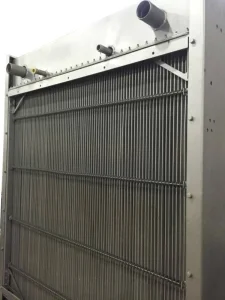
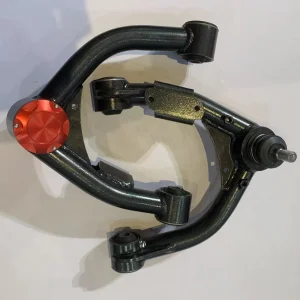
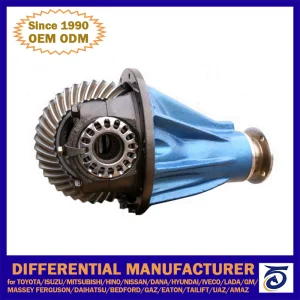
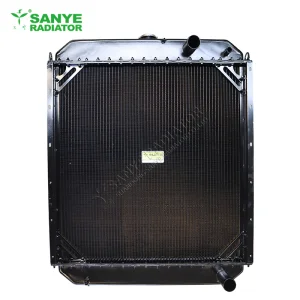
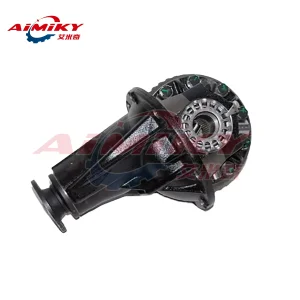
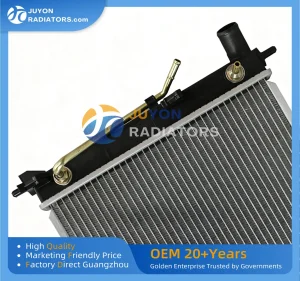
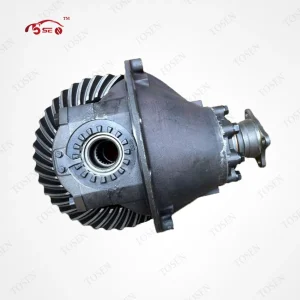
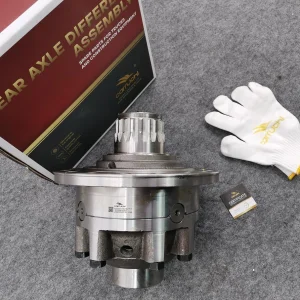
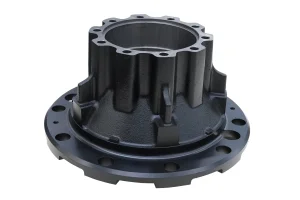
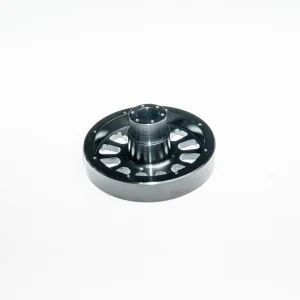
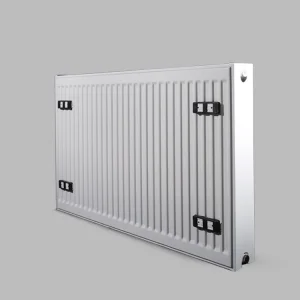
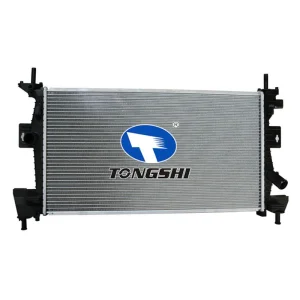
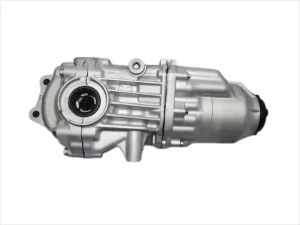
While our engineering core supports high-precision drivetrain, suspension, and engine components (such as control arms, radiators, and differentials), our collaborative network of over 120 partner factories extends into advanced polymer processing. This includes industrial protective matting and custom-fit TPE automotive interior protection systems. By utilizing raw materials sourced from regional chemical clusters and leveraging high-volume manufacturing lines in Ningbo and Yiwu, we deliver products that balance cost-effectiveness with international quality standards.
With warehouse spaces spanning 6,500㎡ across Yiwu, Ningbo, and Qingdao, we consolidate shipments, run independent multi-point inspections, and streamline international container loading.
Our partner factories adhere strictly to IATF 16949, CE, and TS16949 standards, ensuring all polymer mixes and metal inserts meet strict durability requirements.
We provide free third-party inspection for goods sourced from other suppliers, helping clients maintain quality control across their entire product range.
The evolution of industrial and automotive floor mats is driven by material science. Traditional PVC and low-grade rubber, which tend to emit volatile organic compounds (VOCs) and stiffen or crack in cold weather, are being replaced by advanced polymers. Modern floor mat manufacturing focuses on three key technical areas:
TPE balances the flexibility of rubber with the recycling efficiency and design flexibility of thermoplastics. Injection molding under high pressure ensures consistent wall thickness, precise edge retention, and accurate patterns that align with cabin floor designs.
To achieve a seamless fit, factories use 3D laser scanners to capture the floor contour of a target vehicle or workspace. This data is converted into CAD models to mill high-durability steel molds, ensuring the final product matches the specified dimensions.
Advanced floor mats feature multi-layer structures: a semi-rigid polymer core for shape retention, a soft TPE top layer for grip and sound dampening, and a high-friction bottom layer designed to prevent sliding without damaging the floor underneath.
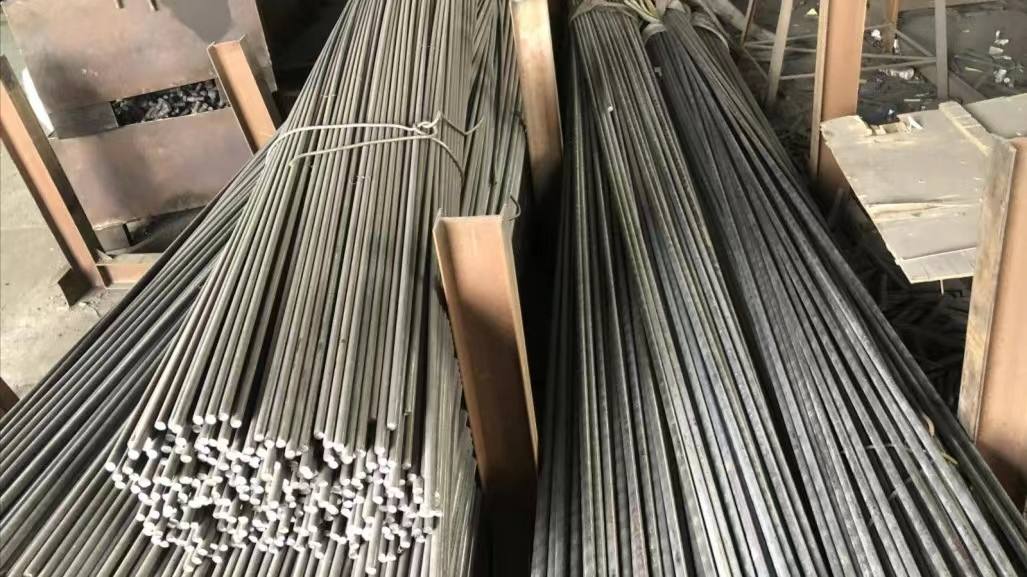
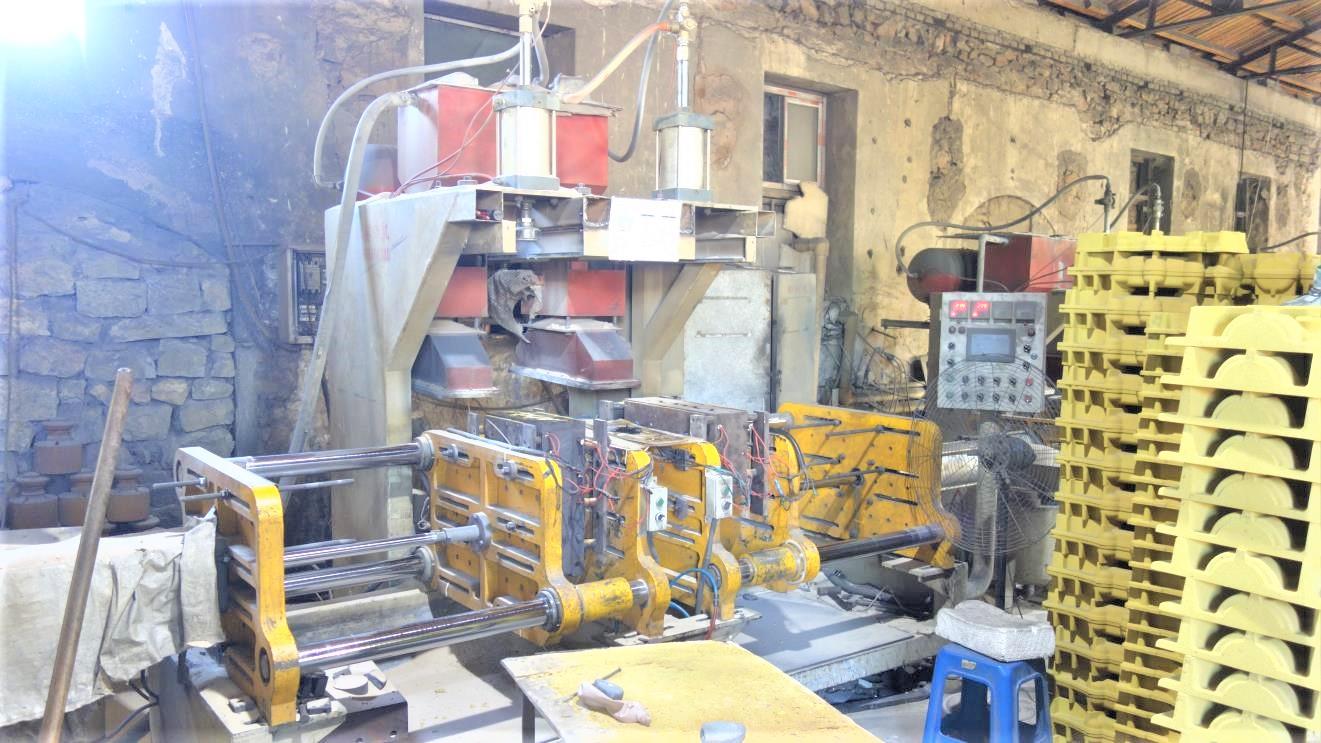
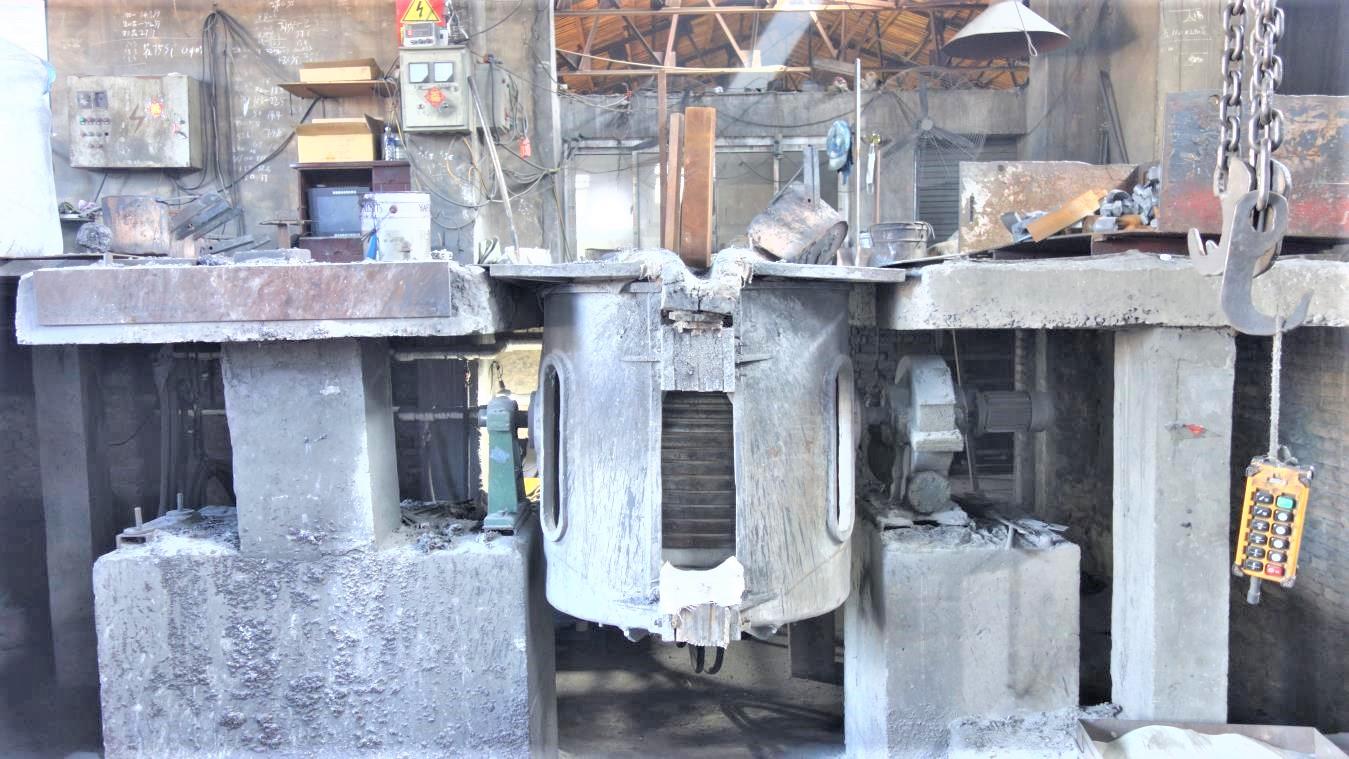
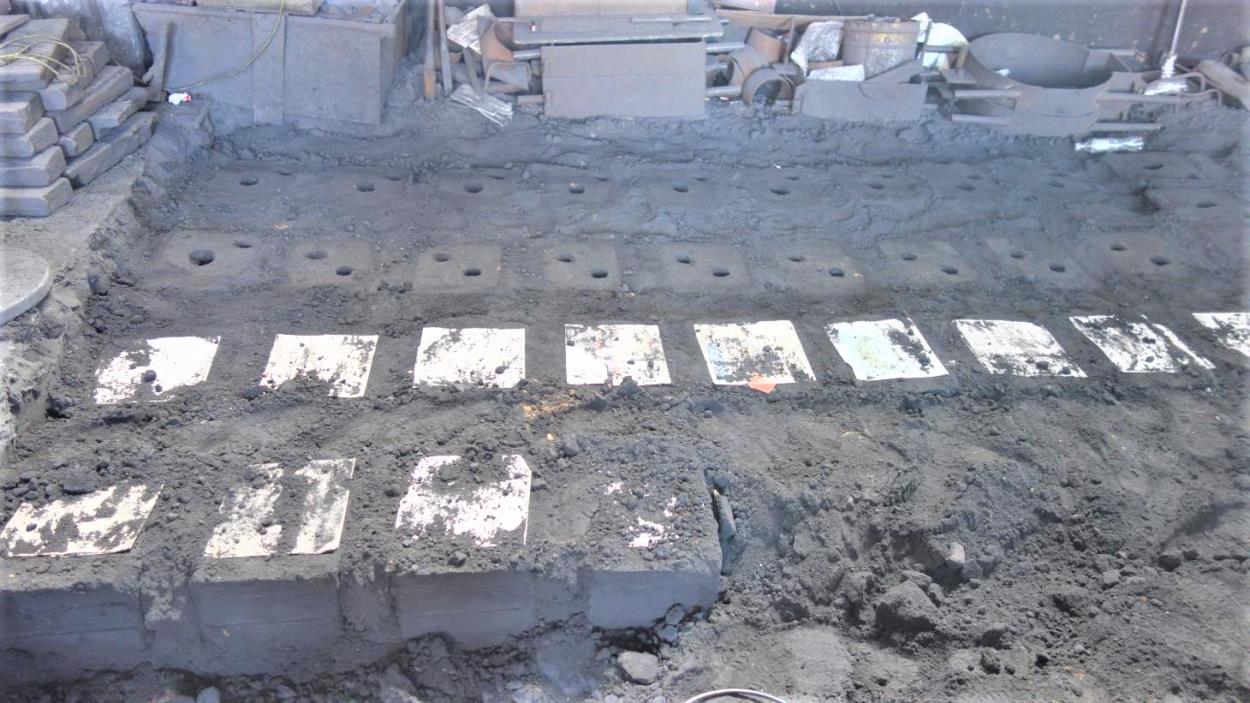
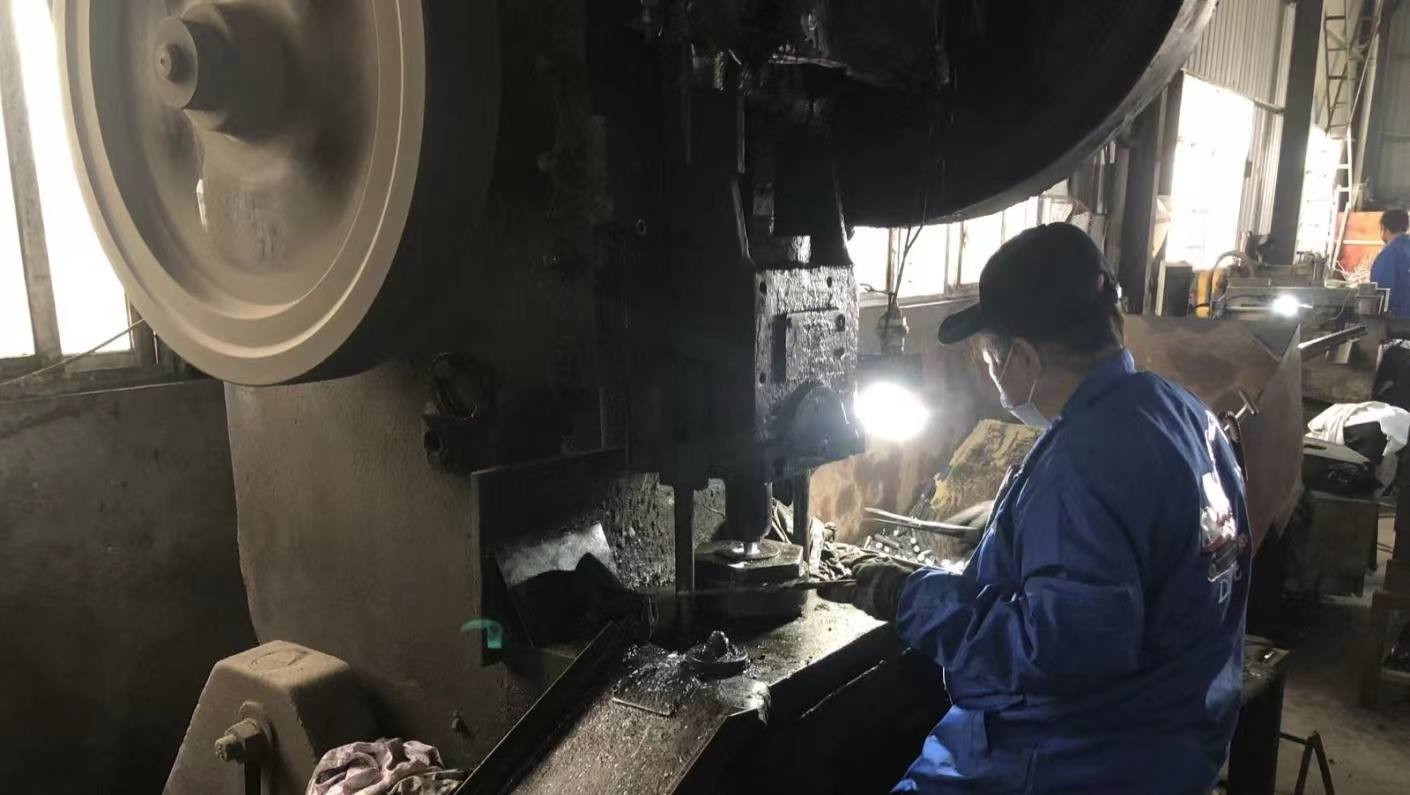
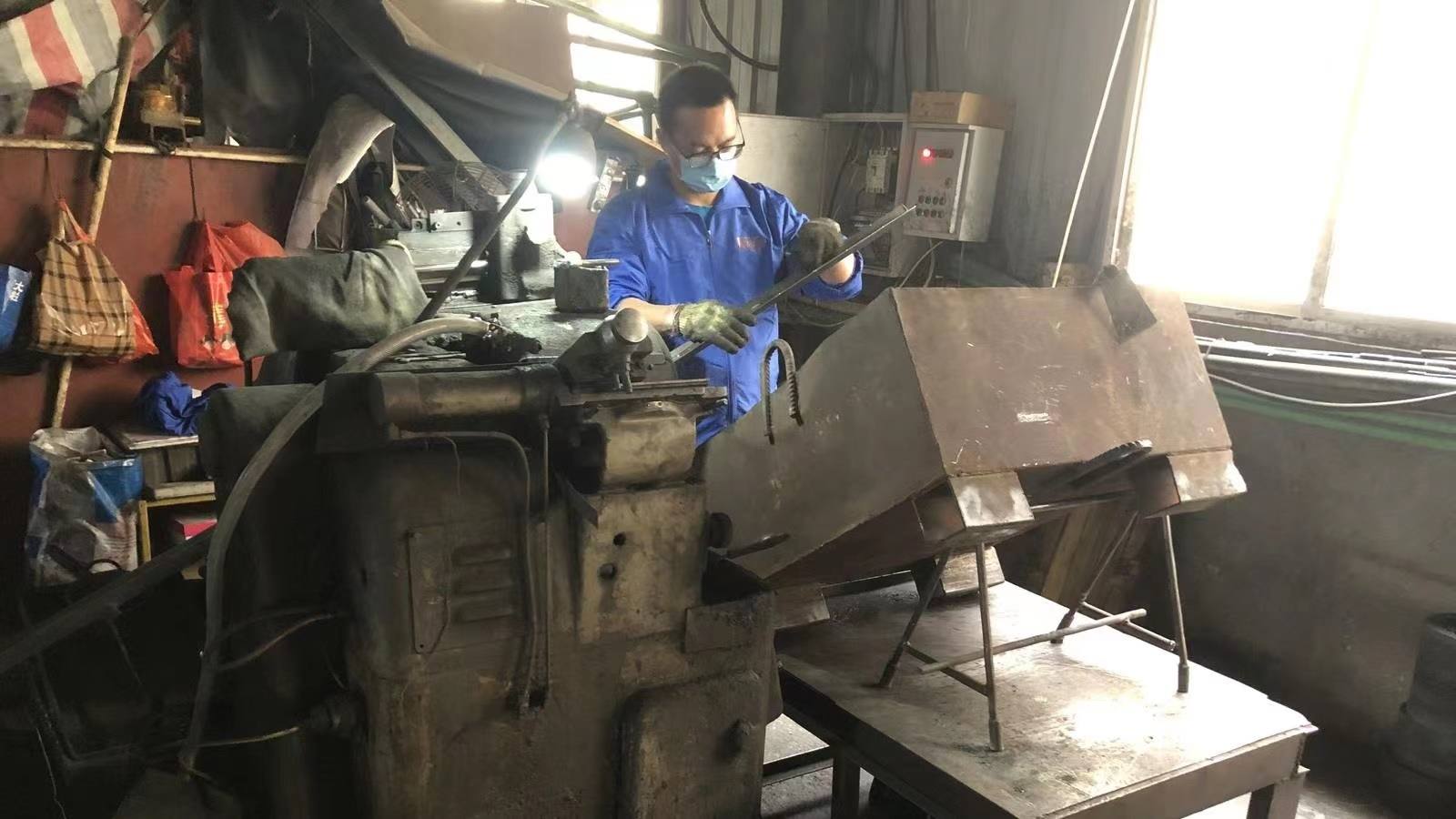
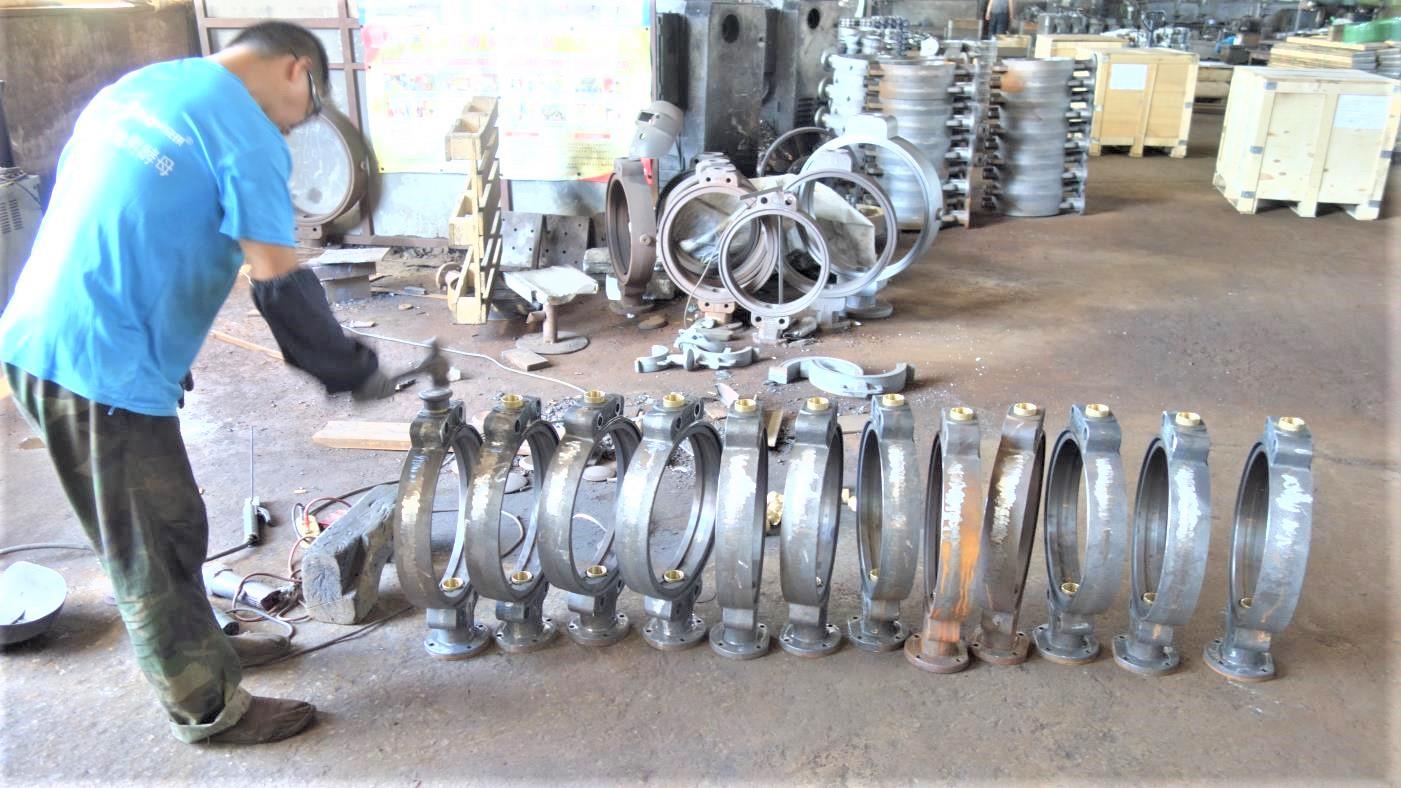
Our partner factories maintain strict quality control at every stage of production, from raw material sourcing to final packaging. Below is an overview of the manufacturing and testing workflow:
Industrial and automotive floor mats must adapt to varying environmental conditions. Modern production standards account for these regional requirements:
In markets like Canada, Scandinavia, and Northern China, standard plastics can freeze and crack. We utilize high-flex TPE blends that remain pliable down to -40°C, retaining elasticity and liquid-containment lips under heavy snow load.
In the Middle East and Australia, vehicle interior temperatures can exceed 70°C. Standard PVC mats may emit toxic VOCs and warp. Our high-spec TPE mats are UV-stabilized and odor-free, remaining stable under extreme heat.
For logistics hubs, assembly floors, and commercial kitchens, mats must offer oil resistance, anti-fatigue support, and slip protection. We supply vulcanized nitrile rubber mats featuring raised drainage rings for wet environments.
At Zhejiang DC-Link Auto Co., Ltd., we maintain rigorous quality standards in all our operations. Our company is certified under the ISO 9001 quality management system, and our manufacturing facilities hold key international certifications, including IATF 16949, CE, and TS16949. This alignment with global aftermarket and OEM standards ensures our products perform reliably in demanding environments.
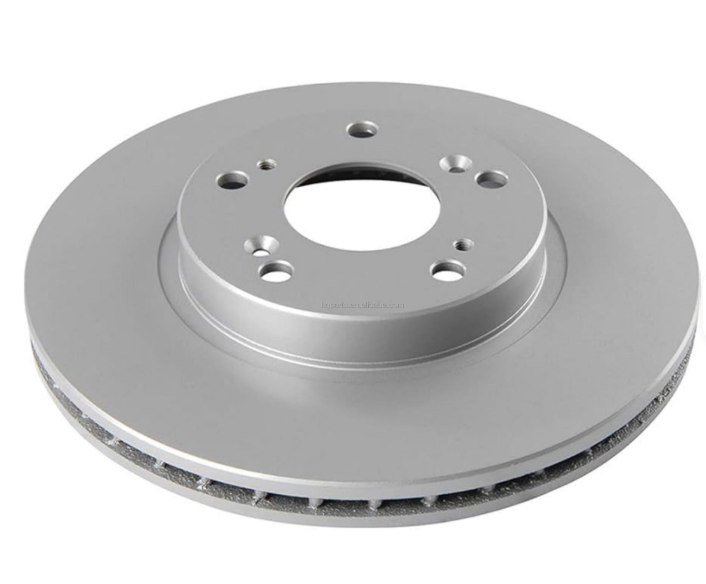
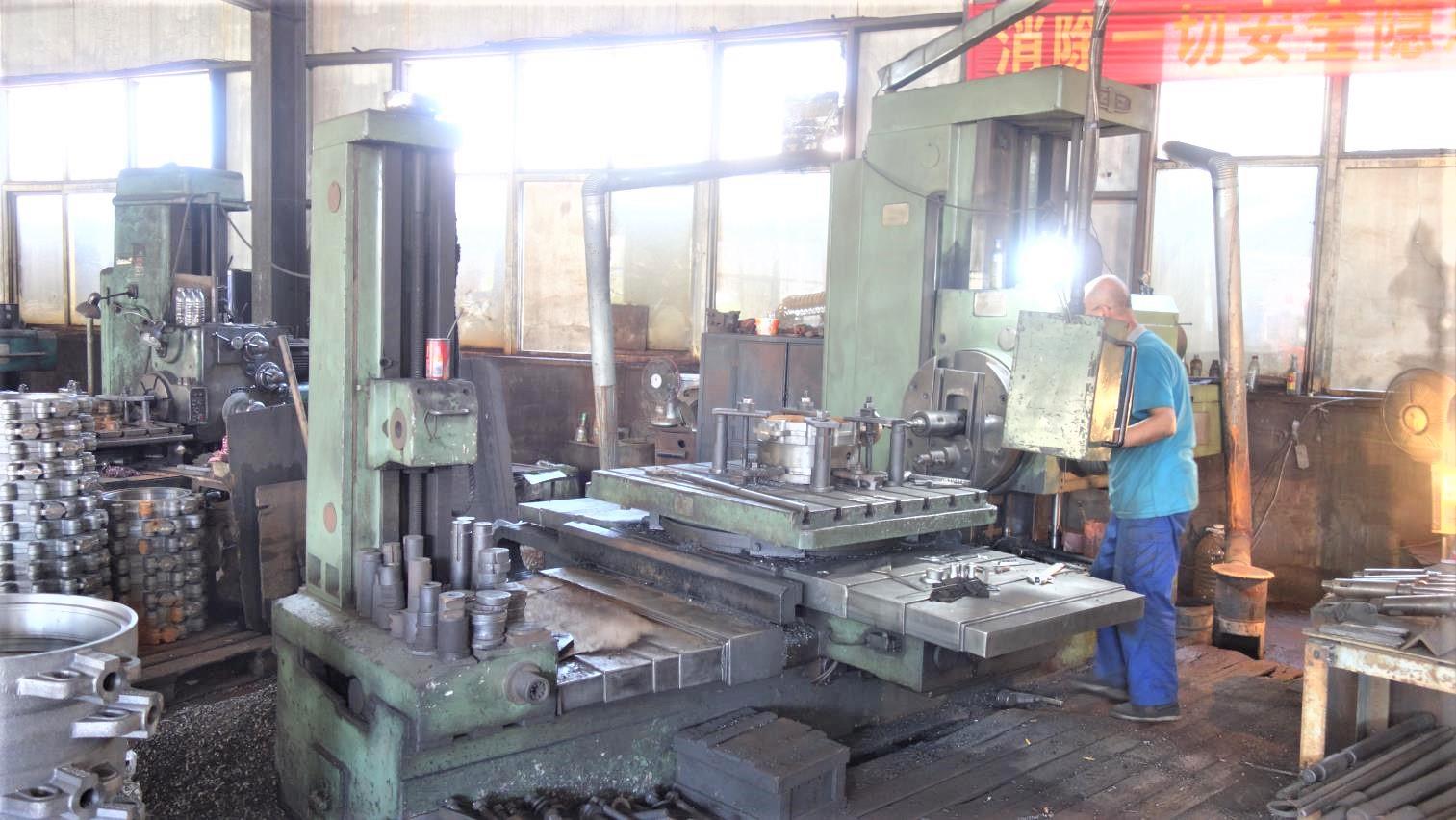
Honda Civic VII Brake Rotor Production
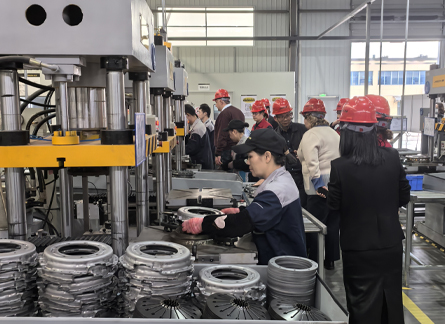
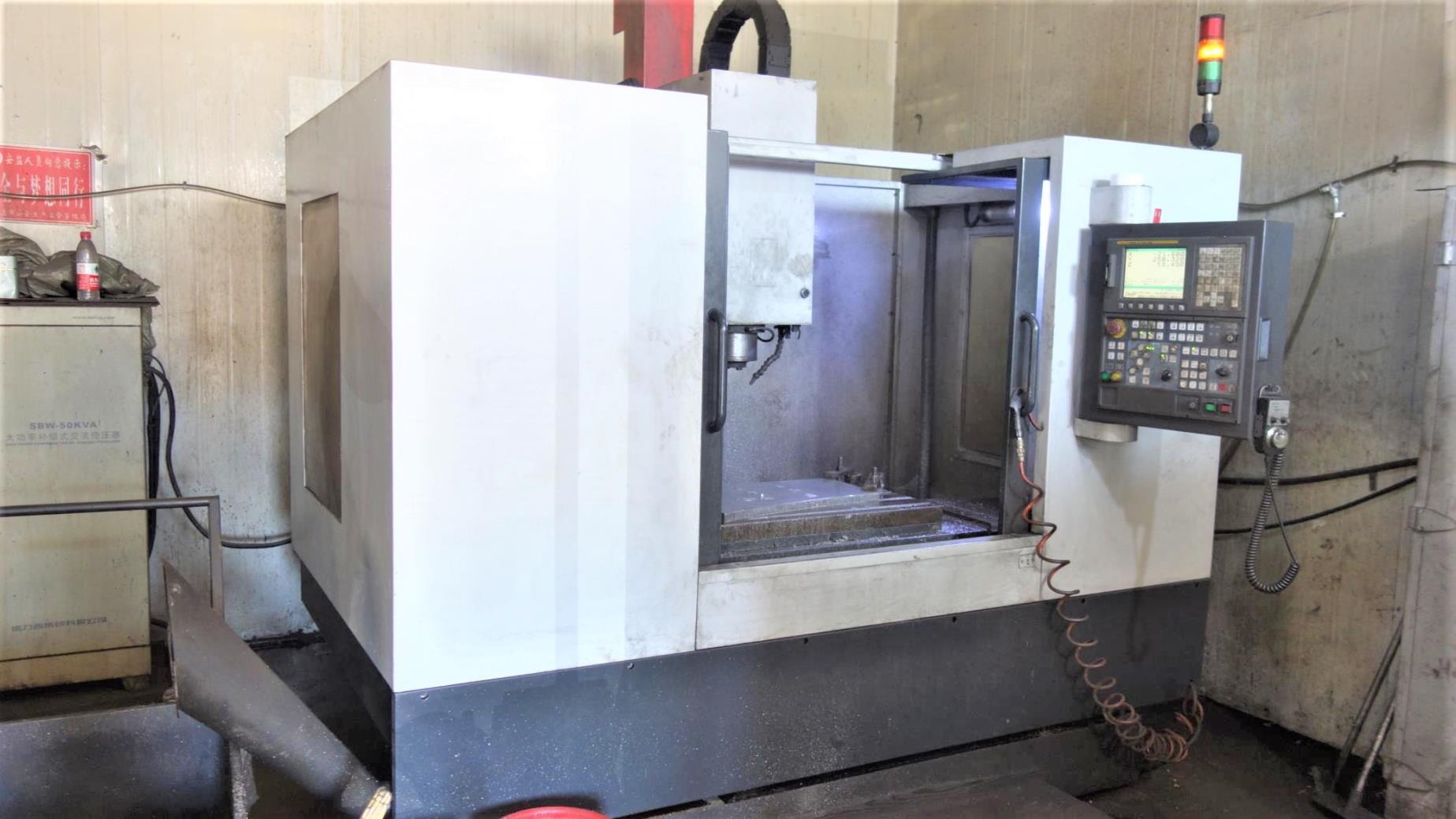
Quality Inspection Operations
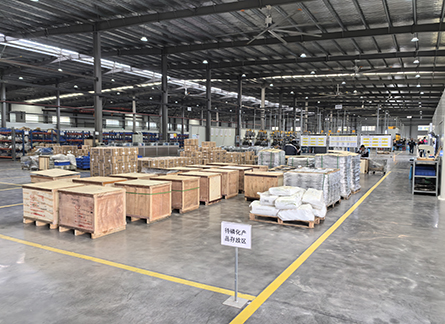
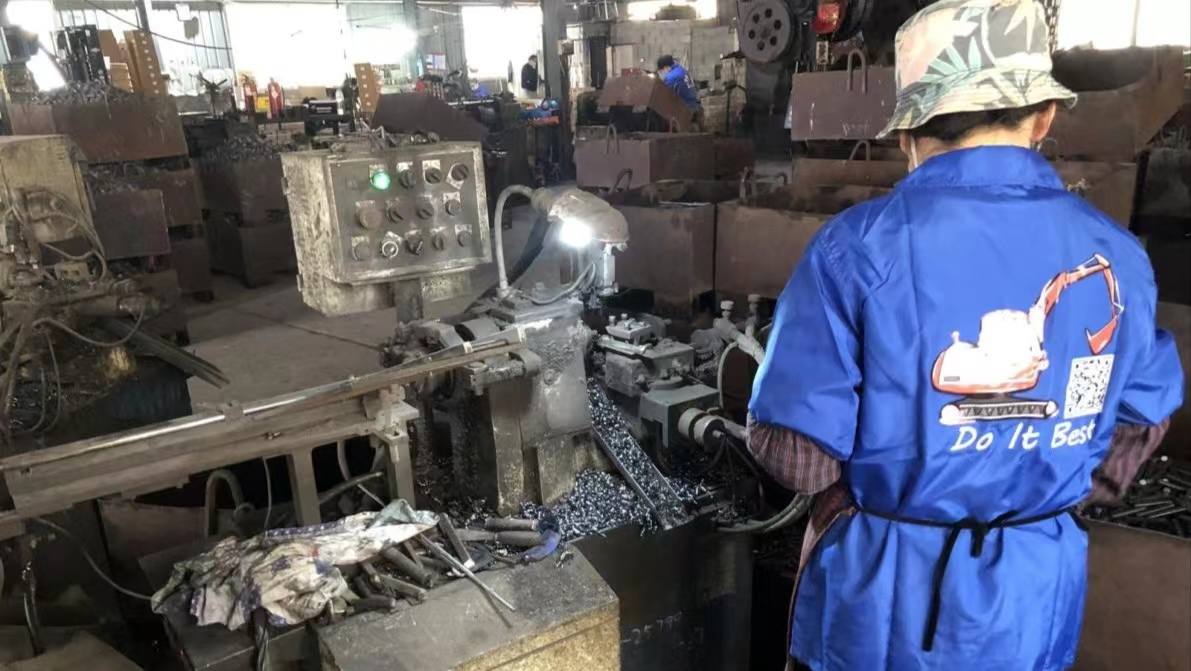
Partner Facility Machining Hub
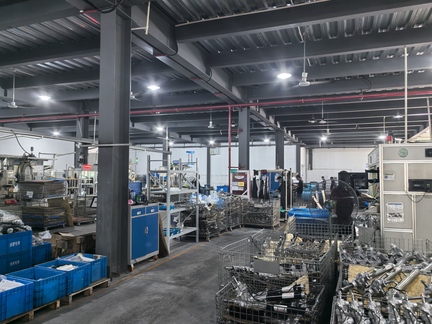
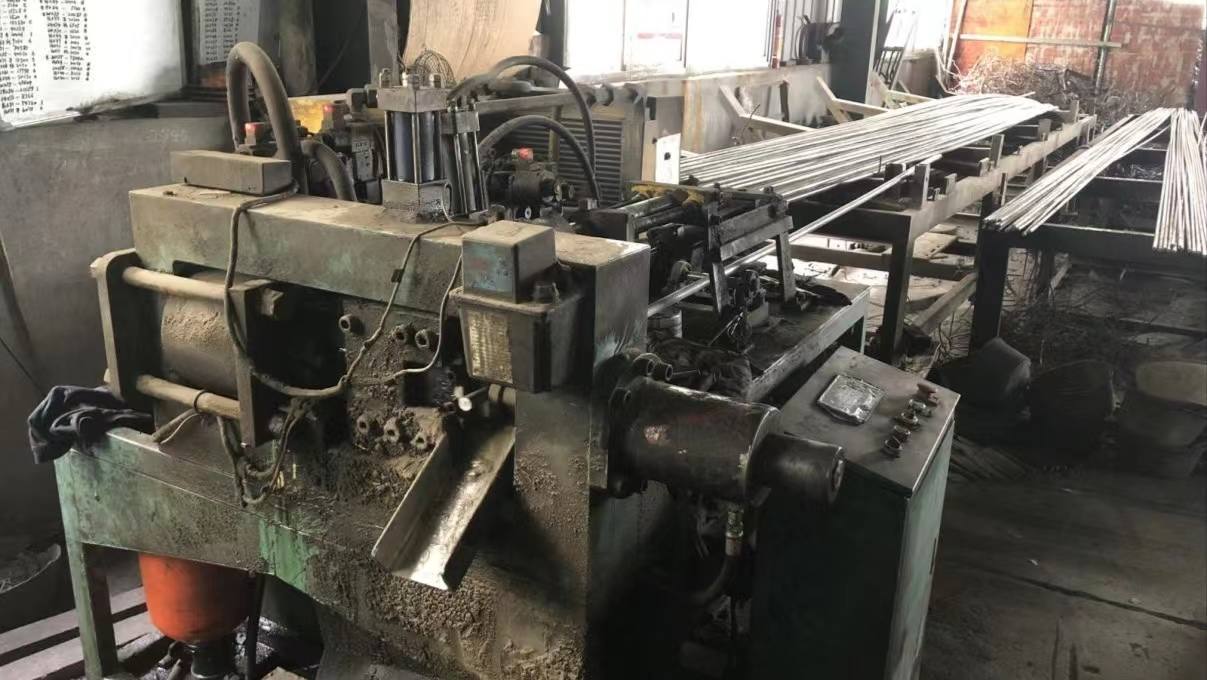
Consolidated Container Dispatch Log
To ensure transparency and consistent quality, our in-house quality control team completes detailed inspections of product construction and packaging. These reports are shared directly with clients, and shipments are only scheduled after approval, minimizing the risks associated with overseas sourcing.
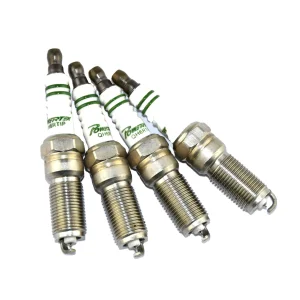
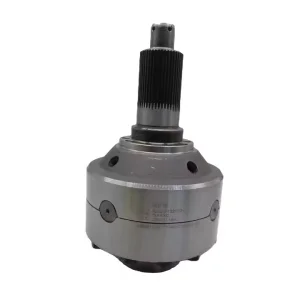
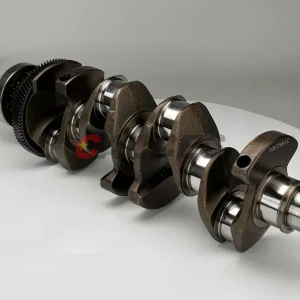
In addition to cabin and flooring protection systems, our facilities produce high-load transmission, suspension, and engine components designed to meet strict performance requirements.
Below are answers to common questions about sourcing custom floor mats and automotive components from China:
 DC-Link Auto